All travel styles
 All tours
 Best sellers
 Special offers
 Special offers

 Book with confidence
 Booking terms
 Sustainability policy
 Iceland volcano update
 Blog
Blog Reviews
 About us
 Why book with us?
Right, let’s talk Italy.
You’ve decided to go (excellent choice), but now comes the fun part: planning a trip to Italy that doesn’t leave you overwhelmed before you’ve even boarded the plane.
Whether you’re dreaming of 2 weeks zigzagging between Venice and the Amalfi Coast. Or just a long weekend in Rome. We’ll help you sort everything, from the essentials to the nice-to-haves.
Our Rome-based team has done the groundwork. We understand Italian culture inside out. Consider this your insider’s guide to getting Italy right.
- Experience Italy’s magic on these popular Italy tour packages
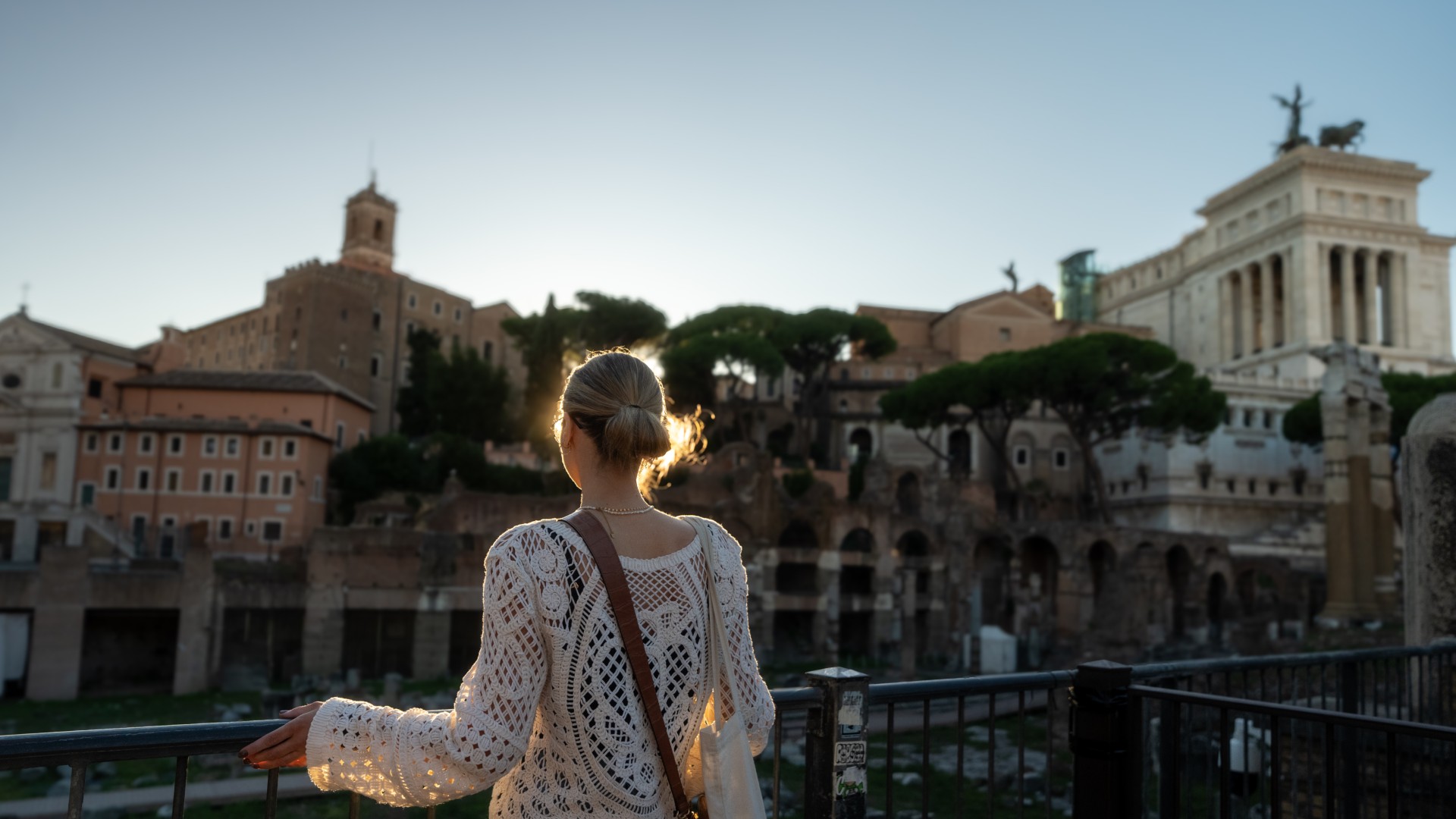
When to go
April-May and September-October
These are your golden months. The weather plays nice, the shoulder season prices make you smile, and there will be fewer other people around. Spring brings poppies to Tuscany’s rolling hills. Autumn brings the harvest season and that gorgeous golden light you’ve been dreaming about.
Expect temperatures around 15–22°C (59–72°F). Perfect for city walks and countryside drives. May is more reliable than April for sunshine. September stays warm from summer, while October brings wine harvests and crisp mornings. Museums and attractions are generally open (compared to the winter months) but are less busy than in summer.
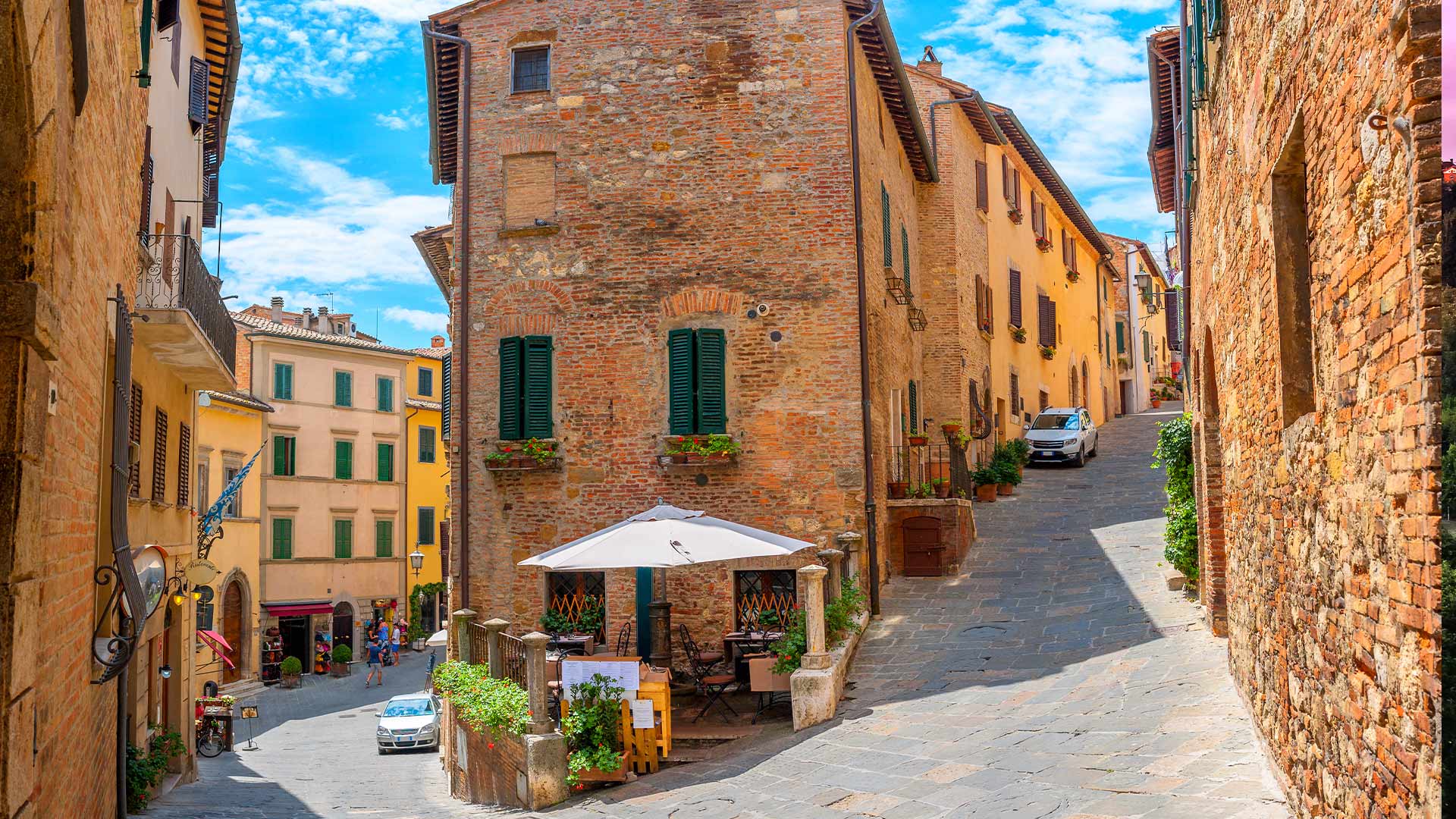
June and early July
These months work well if you avoid the biggest cities mid-day. The days stretch forever, with the sun setting between 8:30 and 9:00 PM. Beach towns hit their stride – warm seas, buzzing piazzas, restaurants spilling onto terraces.
Temperatures hit 25–30°C (77–86°F). Ideal for the Amalfi Coast and lakes. Cities get toasty by the afternoon, so head to museums early and save the piazza life for the evening. Festival season is in full swing.
Late July and August
Yes, it’s hot and lively, with many Italians taking their own holidays. But here’s the thing: you’ll get buzzing festivals, outdoor cinema screenings and late-night energy in almost every piazza. If you love summer vibes, August delivers them in spades.
Expect 30–35°C (86–95°F), especially in cities. Some restaurants close for the August holidays, but coastal towns buzz with Italian families. Ferragosto (August 15th) is Italy's biggest summer celebration – expect fireworks, beach parties, and packed trains as the whole country goes on holiday. Major sights get busy, but those sultry summer evenings are magical.
- Learn more about Italy’s climate and weather in this guide
- Related: Best time to visit Italy
Best ways to travel in Italy
Self-drive
Driving gives you Italy on your terms. Stop at that hilltop village. Take the scenic route. Add extra time for those perfect photo stops.
The autostrada (“motorway”) is straightforward and efficient. Mountain roads reward you with spectacular views. City centres often reserve streets for residents – a blessing really, as Italy’s historic hearts are made for wandering on foot.
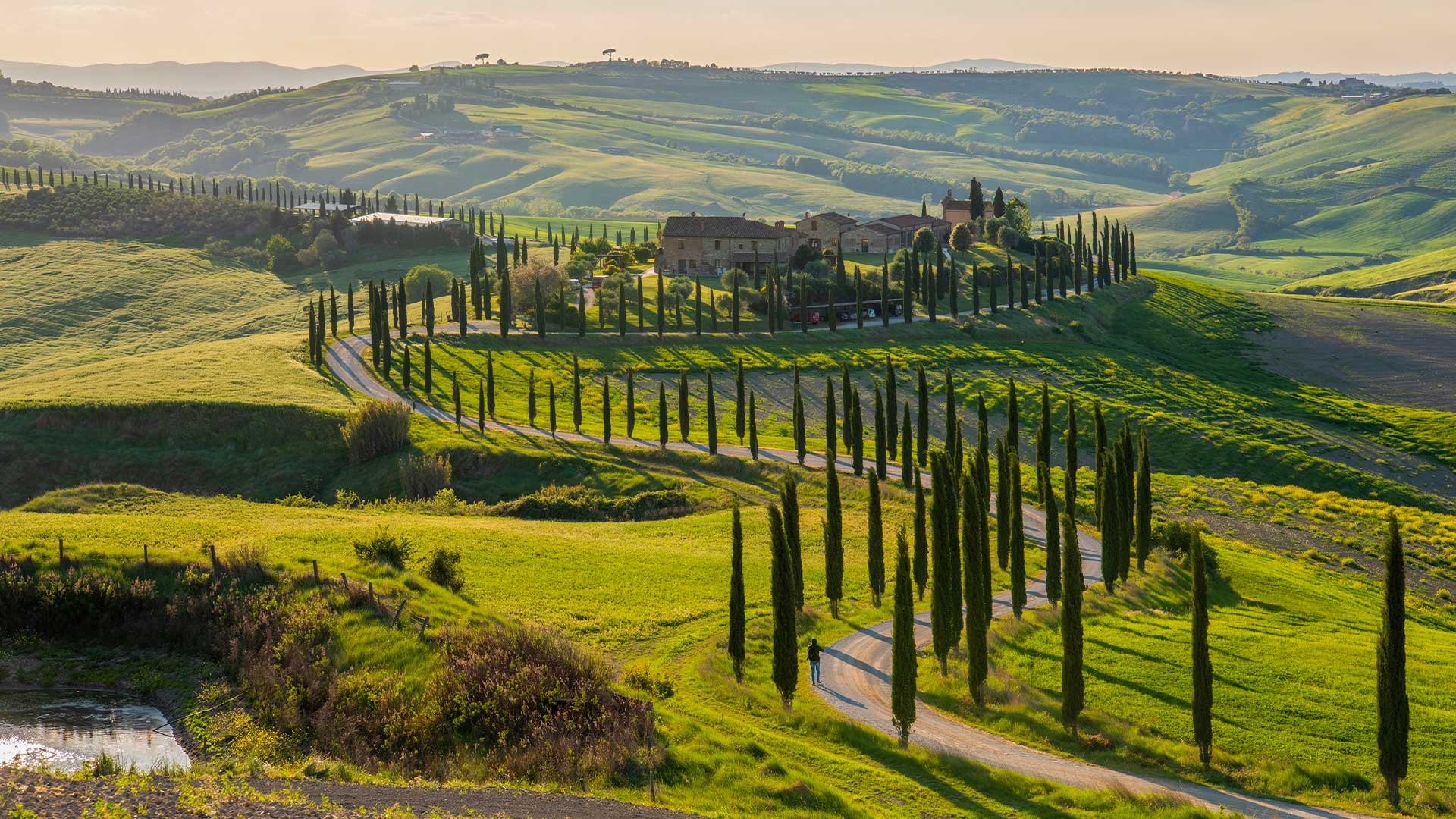
Tuscany and Umbria were built for road trips. Hilltop towns appear around bends. Cypress trees point skyward. Park up and wander through medieval streets, explore morning markets, or simply pull over for that view that doesn't seem real.
Save the vineyard visits for late afternoon when you're done driving for the day – nothing beats a Chianti sunset from your hotel terrace, wine in hand.
From north to south, Italy delivers. Pisa’s Leaning Tower tilts more than you’d expect. Lake Como’s shoreline winds past grand villas. The Amalfi Coast brings the drama – villages tumbling into turquoise, lemon groves on impossible terraces, every hairpin bend a photo opportunity.
Your rental car connects it all, at your own pace.
- Take the wheel on a self-drive tour of Italy
- Road trip with confidence using this guide to driving in Italy
Train
Trains in Italy are brilliant. Fast, scenic, and you can enjoy that second glass of wine at lunch.
You’ll love how the high-speed network connects major cities. Want to zip from Rome to Florence? You’re there in 90 minutes. Milan to Venice? Just over 2 hours.
Regional train travel takes a bit more time, costs less, and gives you front-row seats to the show. Think Tuscan vineyards, Ligurian coastline and Umbrian hill towns rolling past your window. Pure Italian theatre.
Quick tip: Got a paper ticket for regional trains? Validate it in those yellow machines on the platform before boarding. Takes 2 seconds, avoids fines. Digital tickets (on your phone) and high-speed train tickets don’t need this – they’re already validated.
How many days in Italy
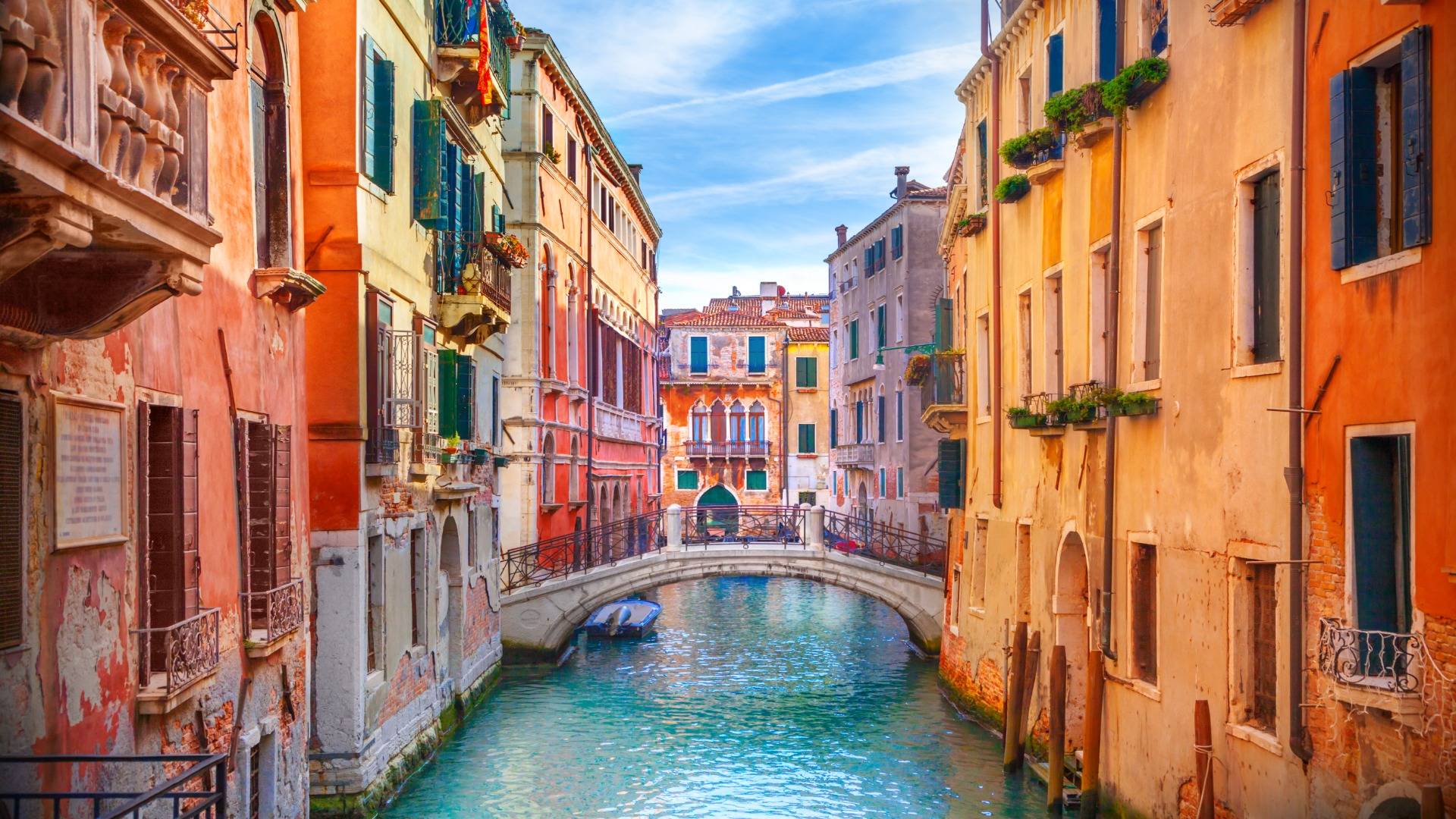
1 week: Pick 2, maybe 3 home bases. Rome and Florence. Venice and Verona. The Amalfi Coast and Naples. You’ll get a taste, not the full meal, with this amount of time. Remember that moving too often eats into sightseeing time and adds packing days.
10 days to 2 weeks: Now we’re talking. Add a third city, but also slow down. Include countryside time in Tuscany. Explore Lake Como properly. Take that day trip to Pompeii.
3 weeks: Ideal for a proper grand tour. North to south, cities to coast, with time to really linger over lunch. You’ll even have time to add neighbouring countries to your tour, such as Switzerland, Austria and beyond.
- Explore several breathtaking countries on these multi-country Alps trips
- Related: Best places to visit in Italy
Geography quick tips
Italy’s bigger than it looks. Rome to Milan takes 6 hours by car – but that’s the beauty of a road trip. You could stop in Florence for lunch, detour through Cinque Terre, and discover a hilltop town that wasn’t even on your radar.
Factor in hotel check-outs and finding your next place, yes. But also factor in the freedom to pull over when the view demands it, or when that family-run trattoria catches your eye.
Group destinations for your Italy itinerary could look like:
- Northern circuit: Venice, Verona, Milan, Lake Como
- Central classics: Rome, Florence, Tuscany, Umbria
- Southern soul: Naples, Pompeii, Amalfi Coast, Sorrento
Where to go in Italy
Art and history
Start with the classics. Rome's ancient sites and the Vatican Museums. Florence's Uffizi Gallery and Accademia. And Venice's Doge's Palace tells stories in every room.
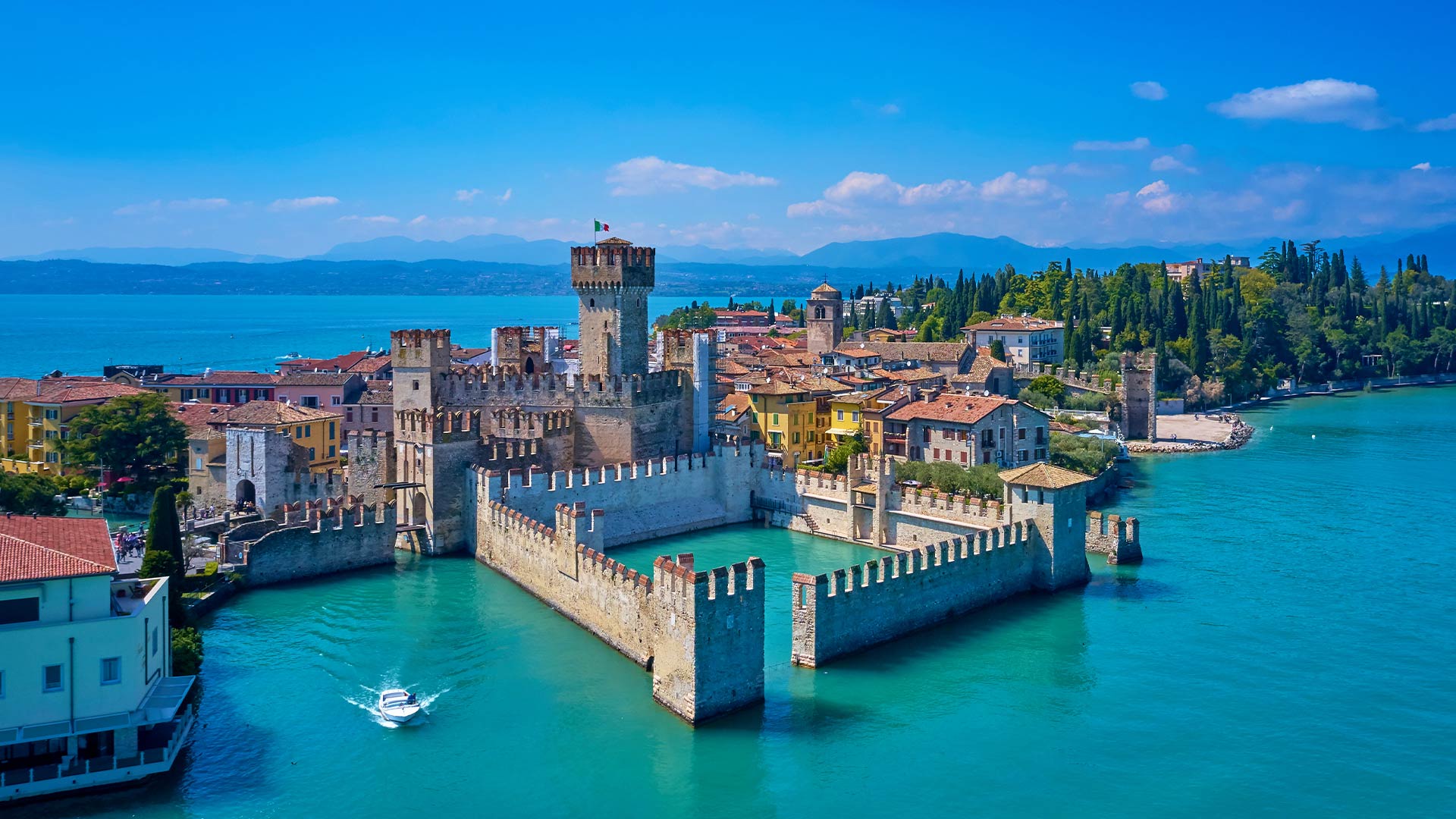
Then add the moments that stick. Opera under the stars at the Arena di Verona. Pompeii, frozen in time. Castles and Roman ruins in Sirmione, set right on Lake Garda. Italy’s cultural offerings are truly endless, even for those with a voracious appetite for it.
Quick tip: We highly recommend a guided tour to unlock hidden stories you’d maybe miss on your own.
- Discover Venice and beyond on a tour of Northern Italy
- Related: Top things to do in Northern Italy
Food and wine
Emilia-Romagna, in northern Italy, doesn’t get enough love. This is the birthplace of Parmigiano-Reggiano, balsamic vinegar, and proper bolognese.
Tuscany’s an easy addition to your trip. Book a vineyard lunch. Take a cooking class in a farmhouse. Day trip to hilltop towns like San Gimignano. Just remember: Chianti is a region, not just a wine.
Then there’s Naples for a pizza pilgrimage. Rome for carbonara. Sicily for arancini. The list goes on.
- Learn the difference between North and South cuisine in this guide to Italian food
Coasts
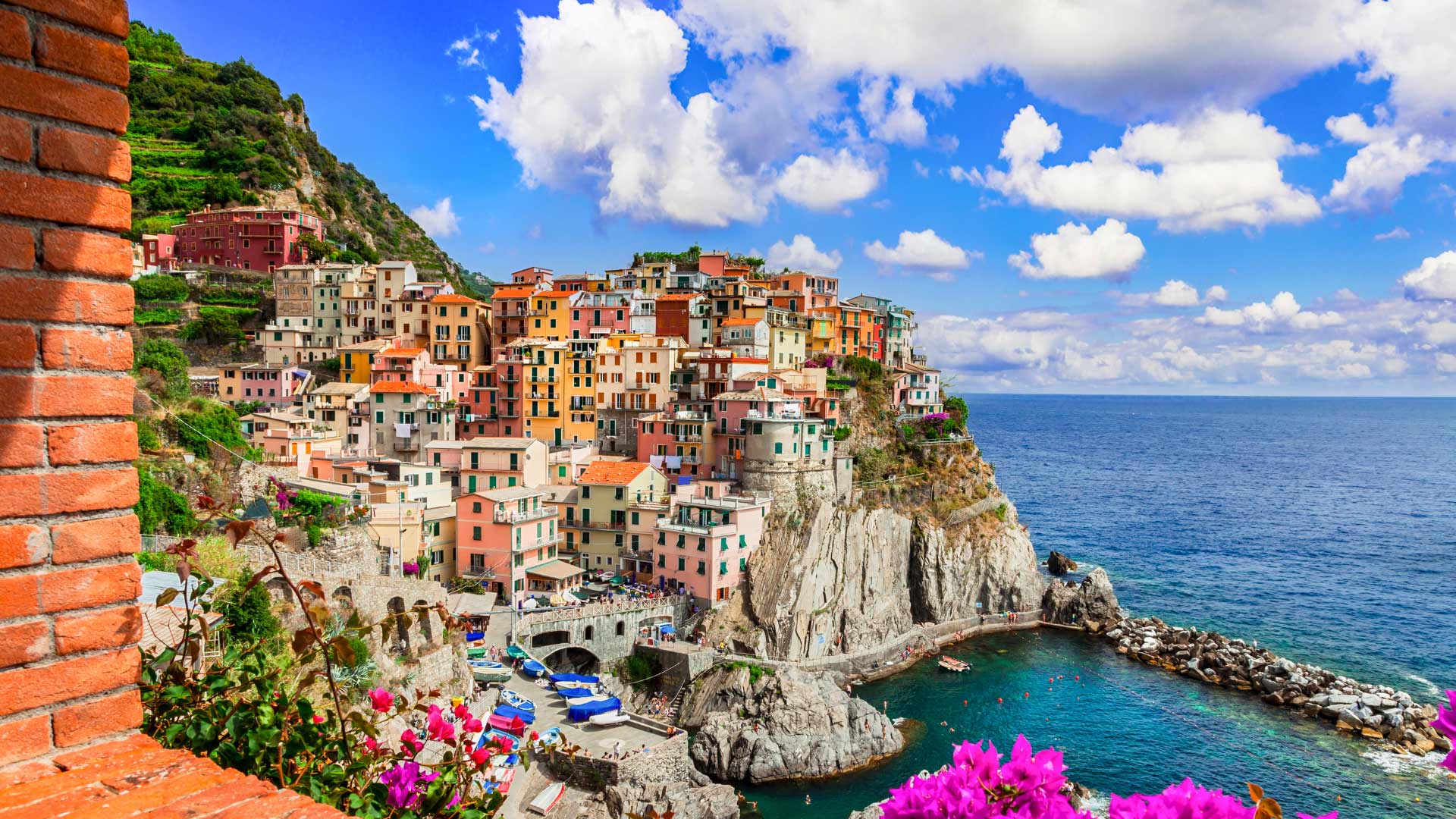
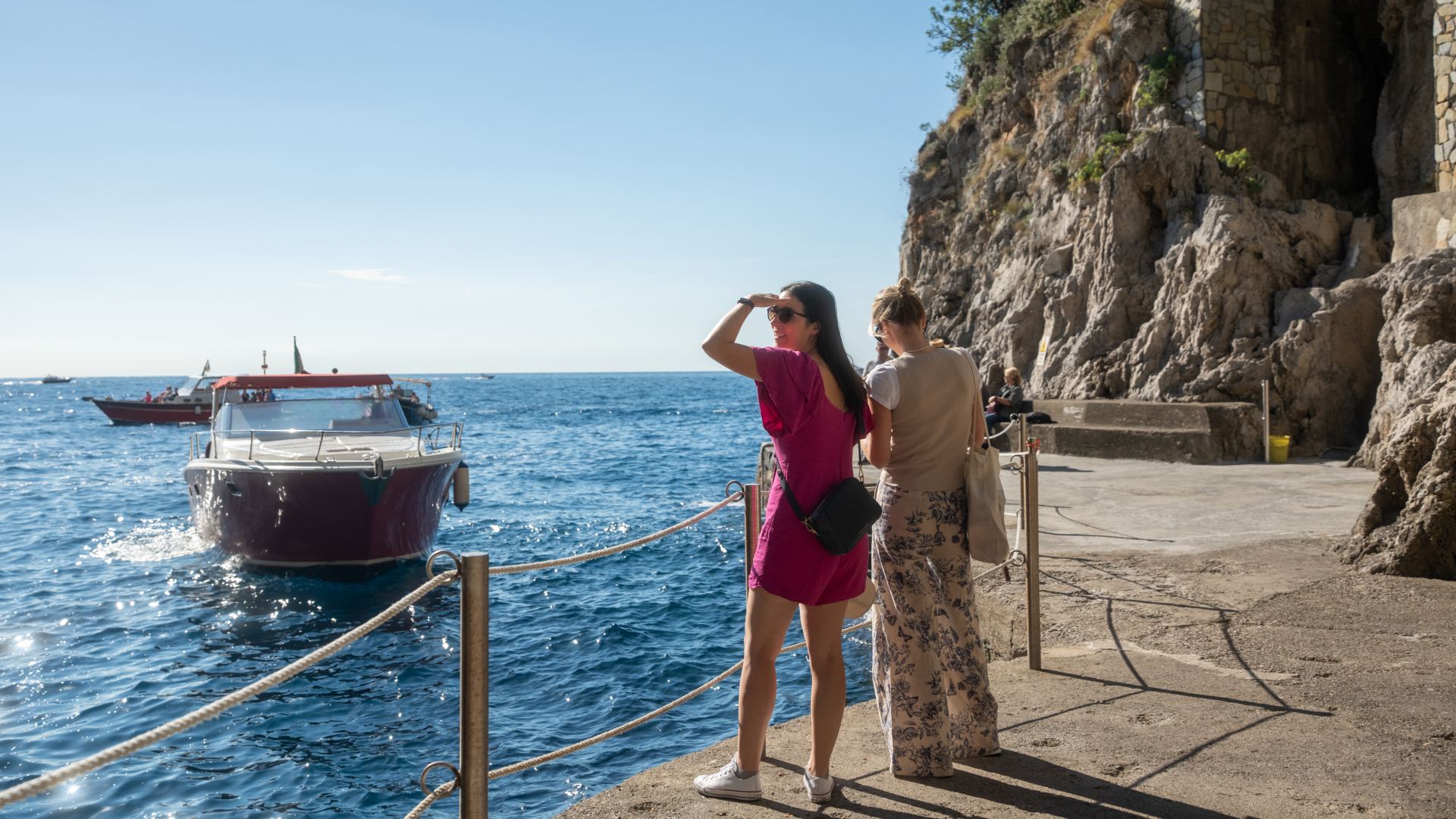
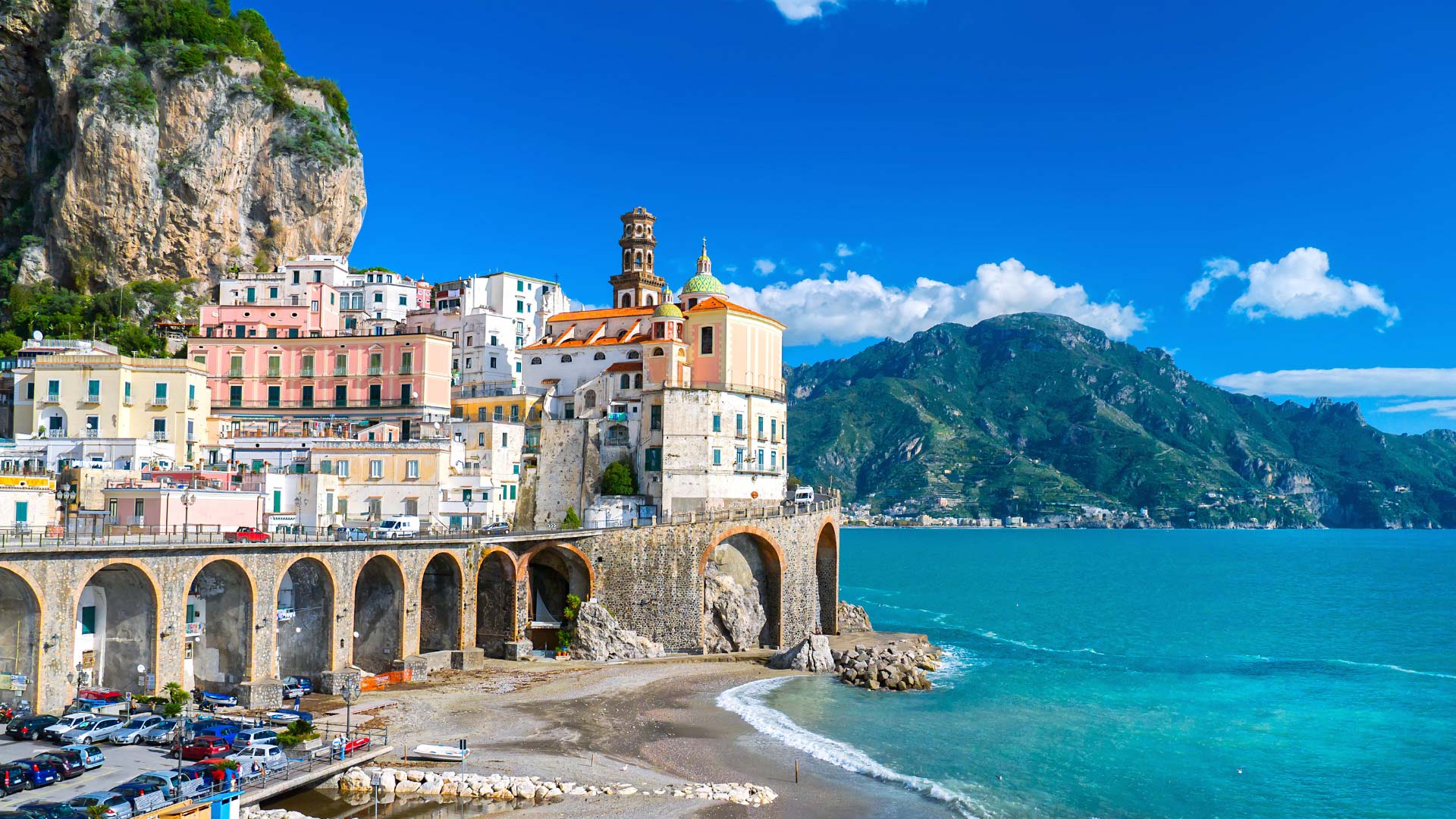
The Amalfi Coast photographs exactly as promised. Positano, Ravello, the works. But Cinque Terre offers drama too – 5 villages, endless hiking trails, pesto that’ll ruin you for jarred versions forever.
Want to explore beyond the famous names? The Ligurian coast continues past Cinque Terre with quieter gems. Sorrento offers clifftop views without the Amalfi crowds. Each coastal stretch brings its own magic.
Lakes
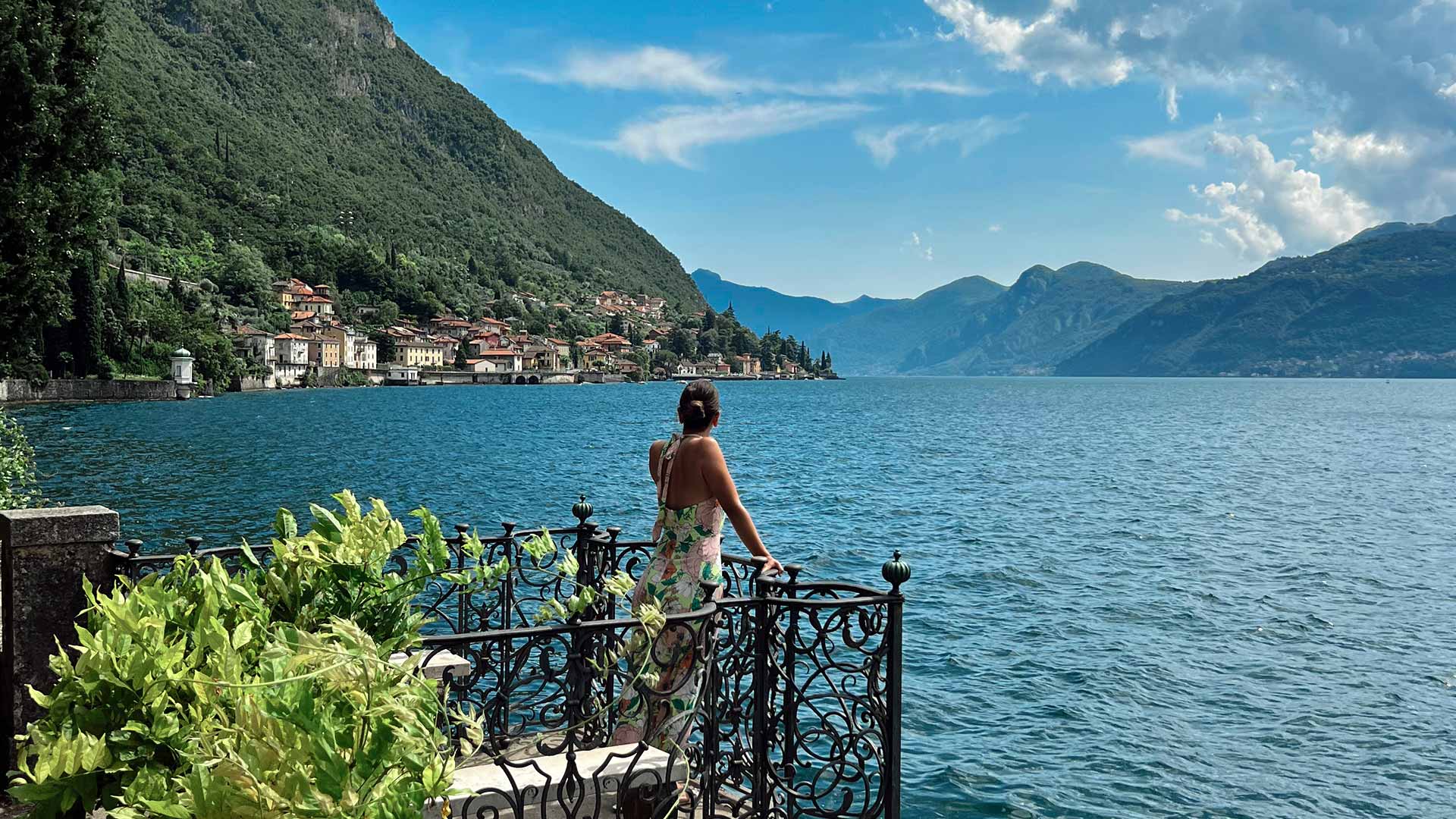
Como has earned its reputation – those elegant villas, that Hollywood glamour, the towns of Bellagio and Varenna that define Italian lake life.
Lake Garda brings variety. Mountains meet Mediterranean vegetation, with charming Sirmione jutting into the water. Lake Maggiore's Borromean Islands look straight from a film set.
Spring and autumn excel here. Comfy temperatures, peaceful shores, and those mountain views stay crystal clear. Summer brings the buzz if that’s what you’re after – aperitivos by the water, boats zipping between towns, that perfect Italian lake scene.
- Related: Best things to do in Lake Como
Discover Italy with Nordic Visitor
Planning a trip to Italy doesn’t have to mean endless research and logistics. That’s where we come in.
Choose any of these bestselling packages and our Rome-based travel experts will handle all the details. Booking hotels, arranging local transport, and mapping routes that will make the most of your time.
Italy has welcomed visitors for over 2,000 years. The pace is unhurried, the rituals well-worn. Trust the rhythm, embrace the pace, and prepare for the country to get under your skin in the best possible way.
Get in touch to start planning your Italian adventure – because the best time to visit Italy is when the trip fits your pace, your plans, and your priorities.