All travel styles
 All tours
 Best sellers
 Special offers
 Special offers

 Book with confidence
 Booking terms
 Sustainability policy
 Iceland volcano update
 Blog
Blog Reviews
 About us
 Why book with us?
The Amalfi Coast’s namesake town
Amalfi cascades down cliffs to the sea. Sprawling. Vibrant. The coastline's namesake town.
Once a maritime powerhouse, Amalfi ruled Mediterranean trade routes from the 9th to 12th centuries. The republic's wealth built opulent palaces and churches. Then decline came. Earthquakes. Storms. Political shifts. Much of medieval Amalfi slipped into the sea. What remains clings to steep slopes, pressed between mountain and water.
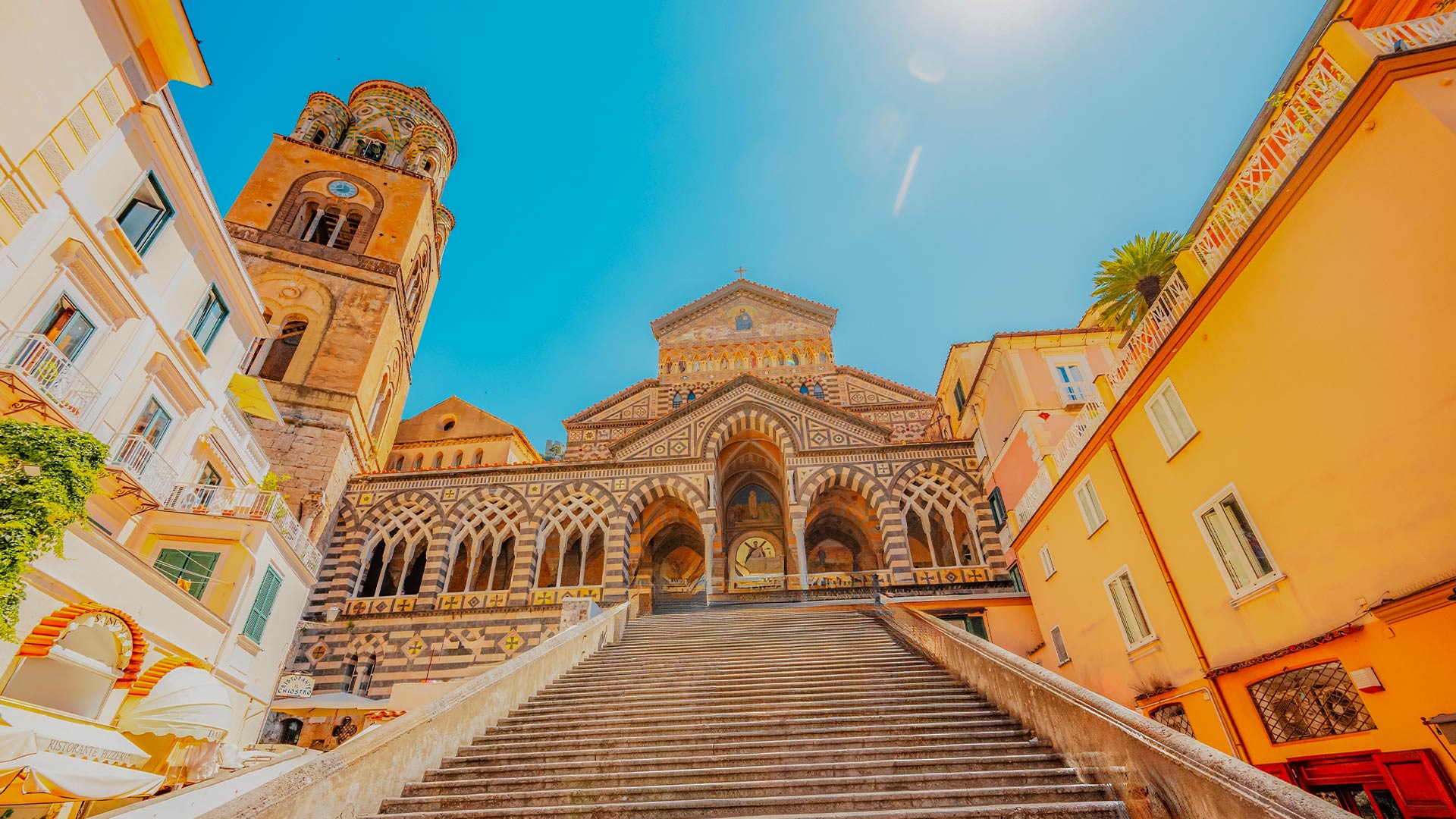
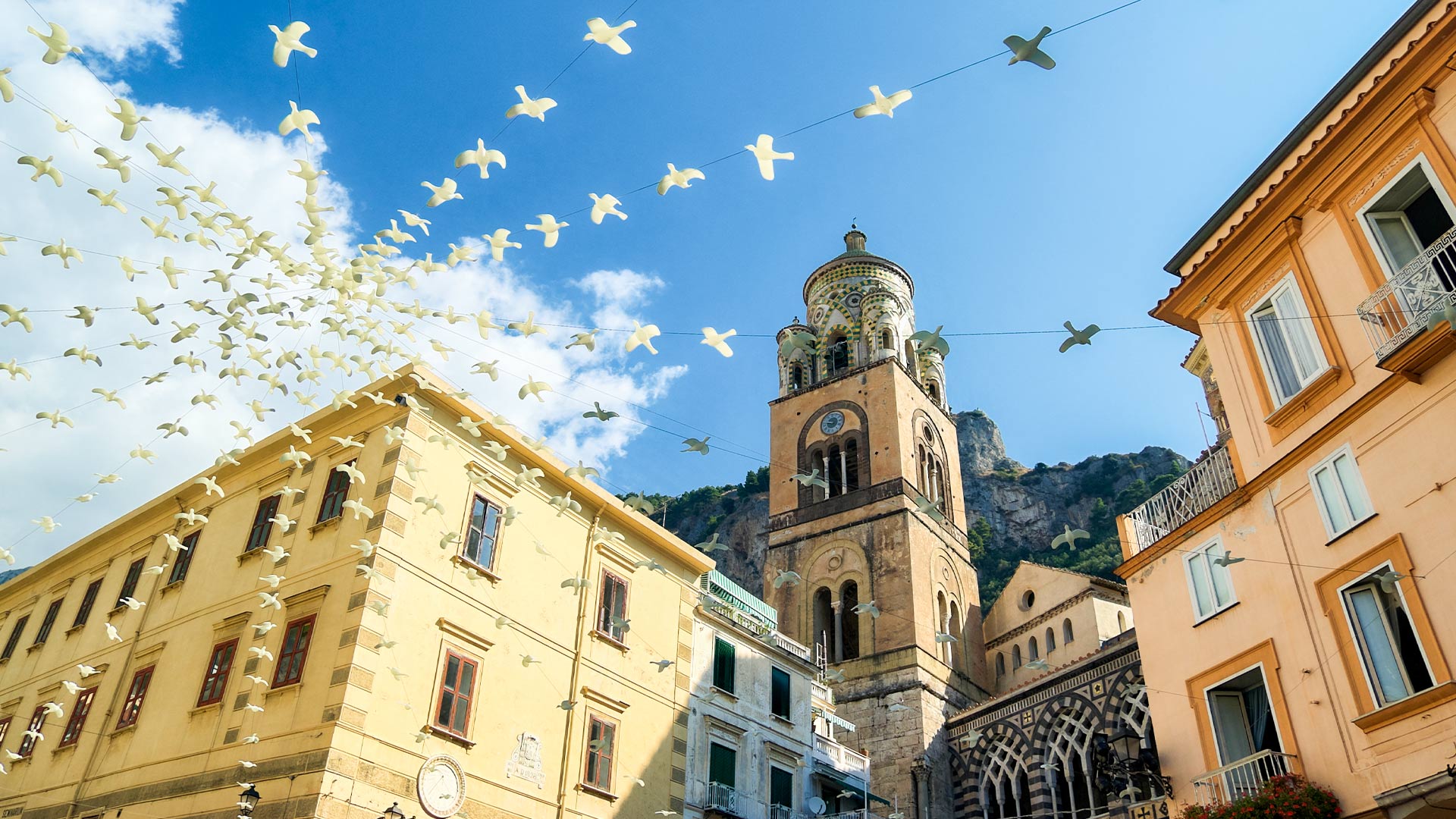
The Duomo di Sant'Andrea still remains, dominating Piazza Duomo. Its bronze doors from Constantinople still gleam in the Italian sunlight. The adjacent Chiostro del Paradiso houses Moorish arches and palm-shaded peace.
Behind the cathedral, narrow lanes twist upward. Lemon groves terraced into hillsides scent the air. You’ll taste Sfusato Amalfitano lemons everywhere here – huge, sweet, perfect for limoncello.
The harbour curves below, boats that sail for pleasure replacing merchant vessels. Ferries connect to Positano, Capri, and Salerno. The beach is small, pebbly, and ever popular in summer. Valle delle Ferriere hikes into mountains behind town. The trail yields waterfalls, medieval paper mills, and cooler air (welcome in the height of July or August).
Amalfi no longer rules the Mediterranean, but it commands attention still. It’s dramatic, it’s beautiful, and it’s impossible to ignore.
View Campania