There’s something loveably chaotic about Italy’s roads. People drive with a swagger and a sense of style. Fathers with their 3 kids balancing madly on a single Vespa, not a helmet in sight. Crackling supercars kicking like wild horses. More horns honking than at a World Cup final.
Driving in Italy as a visitor can seem a tad daunting.
We’ve spent countless hours on Italy’s roads. We’ve navigated its maze-like cities, fuelled up at its petrol stations, and negotiated its motorways. We know a thing or two about renting cars in Italy and how to stay safe on its roads. We’ve also learnt the hard way to keep a watchful eye out for ZTLs…
Setting off on your own self-drive trip around Italy? Check out our tips for driving below. You’ll soon be plunging along pine-flanked Dolomite roads with the windows down, Volare blasting on the speakers.
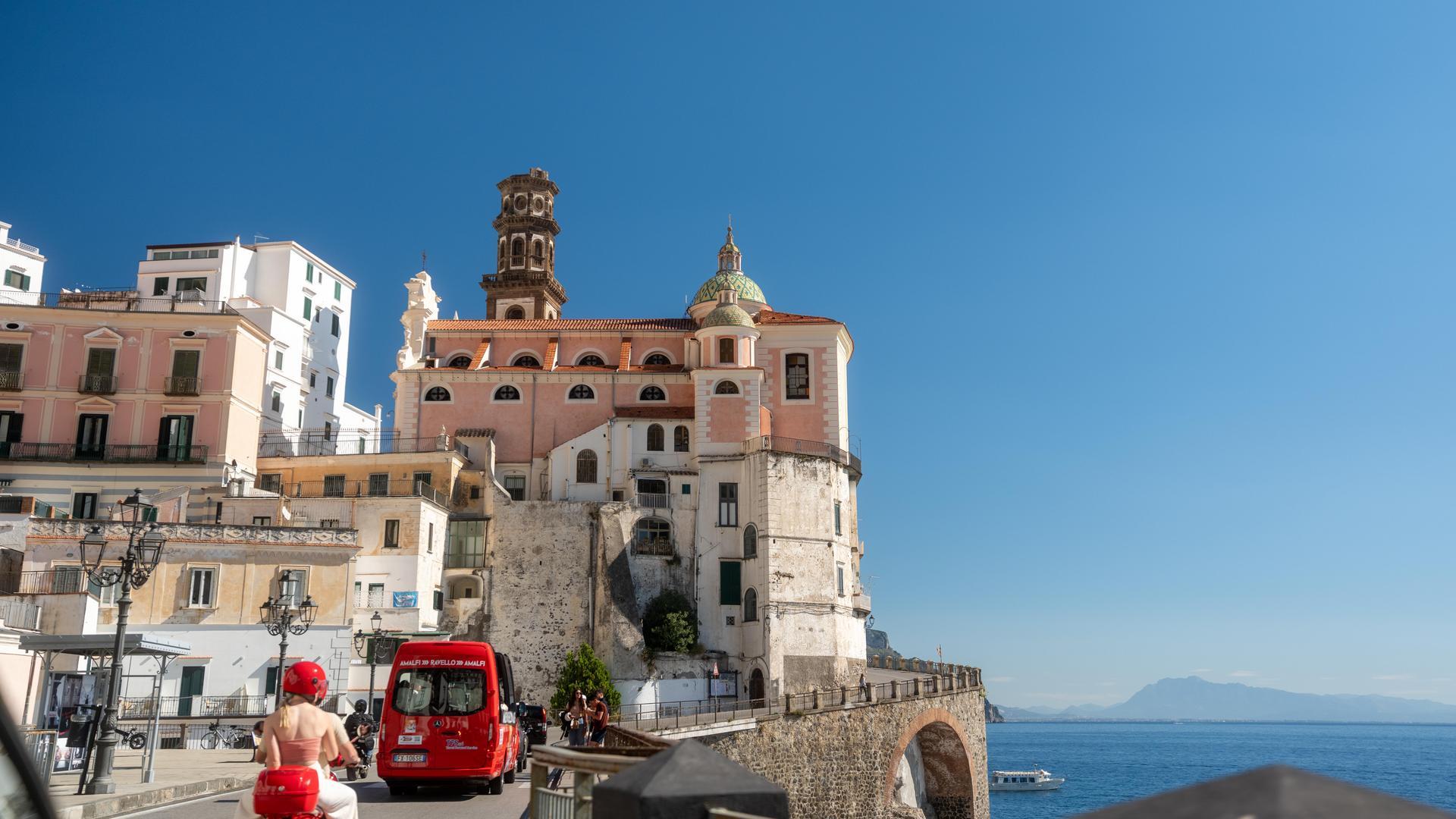
What’s it like driving in Italy?
Driving in Italy is a rewarding, but sometimes challenging, experience. The landscape is crammed with craning mountain peaks, blue lakes, rolling countryside and almost limitless coastal roads. We don’t want to say “it’s got it all”, but it kind of does.
The fun part of renting a car in Italy and taking a road trip is getting to admire all that beauty. And, to put it bluntly, regional, small-scale Italian public transport often isn’t the most reliable, so driving is usually your best bet. But there are a few things to watch out for.
Driving experience
If you’re an experienced international driver, it’ll be a piece of torta. If you’re only used to driving North American highways or through the Aussie Outback, get ready to adjust your expectations for road space and driving style.
Italian driving culture
Italians are frank and direct when speaking and going about their day. Italian driving is no different. When driving on Italian roads, you’ll notice that some Italian drivers assertively squeeze themselves into small gaps in traffic. Lane discipline isn’t always strictly observed.
Drivers sometimes drive in a sporty way, changing lanes rapidly and tailgating. For Italian drivers, the horn is more like a communication tool than anything else. A good hand gesture never goes to waste.
Italian roads
Roads in and around Italian cities are well kept, especially around Rome and in the north. In the countryside and further south, road markings are like lost folklore: locally interpreted and working according to their own rules.
Roads suddenly climb and fall. They can be steep or narrow. Or both. Wild boar or deer could block the roads in some places. Little old ladies in plastic seats in others.
Road space
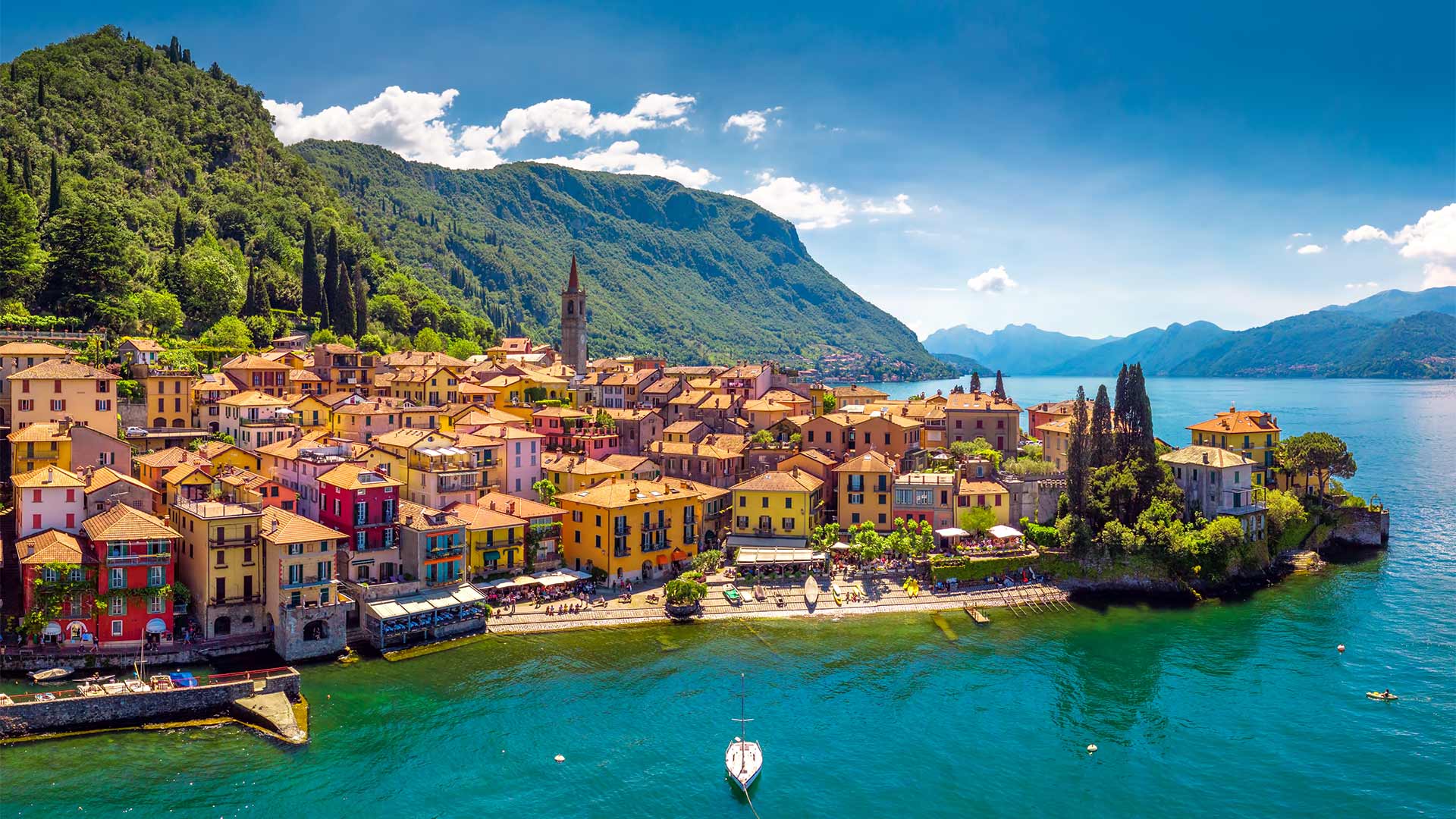
Space is tight. Roads bend back on themselves, trellising up hillsides. Coastal roads snake ever onwards, often at a snail’s pace. Single-lane roads carry tightly packed lines of traffic. Busy buses appear out of nowhere ahead of you. Driving through popular spots, such as around Lake Como, requires patience and concentration. But it’s worth the effort.
- Wind through Tuscan hills on a Rome, Florence and Venice tour
Is driving in Italy safe?
The short answer is yes. Just bear in mind that the driving culture and road conditions in Italy might be different to what you’re used to. Take it easy – you’re at your leisure. Don’t do anything you’re not comfortable with.
The Italian alcohol limit for driving is 0.5 grams of alcohol per litre of blood. That’s roughly 2 small glasses of wine. Driving while over the limit is strictly punished under the law. This helps to keep the roads safe.
If you’re driving a motorcycle, you’ll need to wear a crash helmet. Each motorcycle can carry a maximum of 2 people. You’ll see people breaking these rules, but, for the most part, they’re followed.
Cameras and traffic police keep an eye on speeders. If you’re caught speeding, you’ll have a steep fine to pay. Fines rise in proportion to how much over the speed limit you were travelling.
Driving in Northern Italy, especially between Milan and Venice, sometimes has its own special challenges. Namely, fog thicker than the richest ragù.
In colder months, it can get so thick that you can barely see 50 metres (164 feet) ahead of you. Make sure to use your fog lights and maintain a cautious speed if you get stuck in it.
In summer, Italy has more visitors, making the roads busier. Have a think about the best time to visit Italy for you before booking.
What side of the road do Italians drive on?
Italian drivers drive on the right-hand side, like in 70% of countries around the world. Drivers sit on the left side in Italian road vehicles. If you’re from somewhere that drives on the right, like the US or Canada, that means you’re off to a flying start.
If you’re from the other 30% of the world, like the UK, India or Australia, you probably know the drill by now. Just remember to take it easy, because you’ll probably have to do the opposite of what your driver’s brain is telling you to do most of the time.
What is the driving age in Italy?
The legal driving age in Italy varies by vehicle, but for cars, you’ll need to be at least 18 years old. Keep your eyes peeled for young road users whilst out and about.
Children as young as 14 drive 50 CC mopeds (often called a “motorino” or a “Ciao”) on the roads of smaller Italian towns and in the countryside. Don’t worry, though: the Ciao has an engine that sounds like an old chainsaw, so you’ll hear them before you see them.
Those 16 and over can drive a 125 CC scooter, like a Vespa, but you’ll need a driving licence for motorcycles.
International driving permit in Italy: yes or no?
If your driving licence is written in a non-Latin script, like Cyrillic or an Asian language, you’ll likely need an international driving licence to drive or for car rental in Italy. If you’re looking to explore Italy by car, and you think this applies to you, check your government’s website for advice about driving in Italy first.
If you’re from outside of the EU or EEA, you’ll need an International Driving Permit (IDP) before you can drive on Italian roads. This also goes for car rental in Italy. If you’re from the UK, though, good news: this doesn’t apply to you.
Driving signs in Italy: a simple breakdown
Signs on Italian roads come in all shapes and sizes. They help you understand how to drive in Italy:
Circular: Signs that usually prohibit something, like stopping, or display mandatory instructions, like a speed limit.
Triangular: Signs warning you of a (temporary or seasonal) hazard up ahead.
Rectangular or square: Signs sharing information, like a place name, or directions, such as on the autostrada.
- Green: Motorway ("autostrada") information
- Blue: Main road or non-toll highway information
- White: Urban or rural destinations, like cities and towns
- Brown: Information about historical or local attractions
Italian road signs behave largely as expected, but there are a few local ones to be aware of.
Here’s a breakdown of the main types of road signs in Italy:
Speed signs
Maximum speed signs: A white circle with a red trim, displaying numbers in black. The numbers, for example “50”, show the maximum allowed speed in kilometres per hour (km/h).
Minimum speed signs: A blue circle with white numbers. They show the minimum allowed speed in km/h.
ZTL signs
Signs flagging an imminent ZTL. A square sign with the phrase “Zona a traffico limitato” written above a red and white circle. This sign lets you know that you are about to enter a restricted area for traffic. Don’t enter unless authorised, or you will likely be fined.
Parking signs
Car park: A blue square with a white “P” flags a place where you can pay to park.
No parking: A blue circle with a red trim and a red diagonal line through it. Don’t park in this area.
What are the speed limits in Italy?
Italian speed limits are in kilometres per hour (km/h) and change based on what type of road you’re on. For motorways, the maximum speed is 130 km/h (roughly 80 mph). It’s 110 km/h (~70 mph) for main roads. On secondary and local roads, don’t go above 90 km/h (~55 mph). And in built-up areas, it’s 50 km/h (~30 mph).
Speeding is punished steeply and proportionally according to how much over the limit you were travelling. Traffic police and speed cameras keep an eye out. If you speed in your rental car, the fine is charged to the rental agency and then passed on to you. They’ll probably stick their own admin fee on top.
What’s the hurry anyway? By not speeding, you’ll keep yourself and others safe and your costs down. Italy’s a beautiful country, but only half as beautiful in your rearview mirror.
- Related: Best places to visit in Italy
Renting a car in Italy
Hiring a car in Italy is much like doing so elsewhere. You need to be at least 18 years old, but most companies would prefer you to be 21. You’ll also need a valid driving licence. If your licence is written in a non-Latin script, you’ll need an International Driving Permit.
But here’s our Italy car-hire top tip: rent the smallest possible car you feel comfortable driving. Especially if you want to visit Italian cities.
Those driving big cars on wide roads might be taken aback by how tight and irregular Italian roads are. If that’s you, the bigger cars you’re used to would make your life a lot harder here. Not just for comfortably manoeuvring the roads, but also for parking.
Italy might well be famous for the supercars it makes in Emilia-Romagna. But, you’re probably not going to be renting a Ferrari, Maserati or Lamborghini.
The good old Fiat Panda, with its compact size and 4-wheel drive option, is Italy’s most popular car for good reason. A modest and powerful car like this will have you zipping around like a local in no time.
Ultimately, it’s your road trip, so you should hire what you like. Italians themselves do drive the full range of car sizes. But if you decide to rent a Hummer and drive it through the streets of Rome, don’t say we didn’t warn you when you bring the Italian capital to a standstill!
How do toll roads work in Italy?
Italy’s motorway system (intercity highways) is called the autostrada. It’s well maintained across the country, and is used by 100,000s of Italians every day. It’s a toll system. You have to pay every time you use it.
It’s simple enough once you know how it works, but if you get it wrong, it has the potential to be a thorn in your side. Here are the simple rules for using the autostrada gates properly.
1. Arrive at the gate
Before you enter the autostrada, you’ll see a big gate separated into multiple entry lanes – more than the number of traffic lanes on the other side, in fact. Some are for cash payment, others for card payment, and there’s also something called the Telepass. You can forget about the Telepass: it’s just for locals.
2. Choose your gate
You have 3 options. Each one will be clearly marked with a symbol:
- Card payment: Allows you to pay with Visa, Mastercard, Maestro or V-Pay card. It’s marked with blue or white lines.
- Cash: Allows you to pay with cash.
- Telepass: A sensor which automatically opens the gate and deducts your payment. It’s designed for commuters and regular users of the autostrada, so it will most likely not apply to you, as you will need to have a Telepass sensor already fitted in your car. These gates are marked with yellow lines.
3. Collect your ticket
The most important step. To enter, drive up to the gate of your choice and press the button at the toll booth machine. It will give you a ticket. You must keep hold of it, as you will need it in order to leave the autostrada again. Once you’ve taken your ticket, the barrier will rise, and you can be on your way.
4. Pay your fare
You pay what you owe to the autostrada when you leave the motorway system. That’s where your ticket comes in. Drive up to the correct exit gate, hand your ticket, and pay the fee. If something goes wrong, for example, if you can’t pay, or if you lose your ticket, you will need to call the autostrada and pay the fee or risk a large fine.
For a first-timer, we’ll be honest with you, this is a bit of a character-building experience. But once you get the hang of it, it’s simple enough.
- See our Italy travel guide for more driving tips
Where can I get fuel in Italy?
To refuel in Italy, look for a petrol station. In Italian, they are called “stazioni di servizio”. You’ll spot them at regular intervals on the autostrada and in or near Italian towns and cities.
On the motorway, or in more populated areas, the pumps are often manned by a “benzinaio” – that is, someone who pumps the fuel for you. Tell them how much you want, what fuel you want, and then pay them once they’re finished.
In more rural areas, there are unmanned pumps where you pump the fuel yourself. You’ll have to pay at the pump with your card beforehand.
Just remember to check what kind of fuel your rental car needs before fuelling up.
What are ZTL zones in Italy?
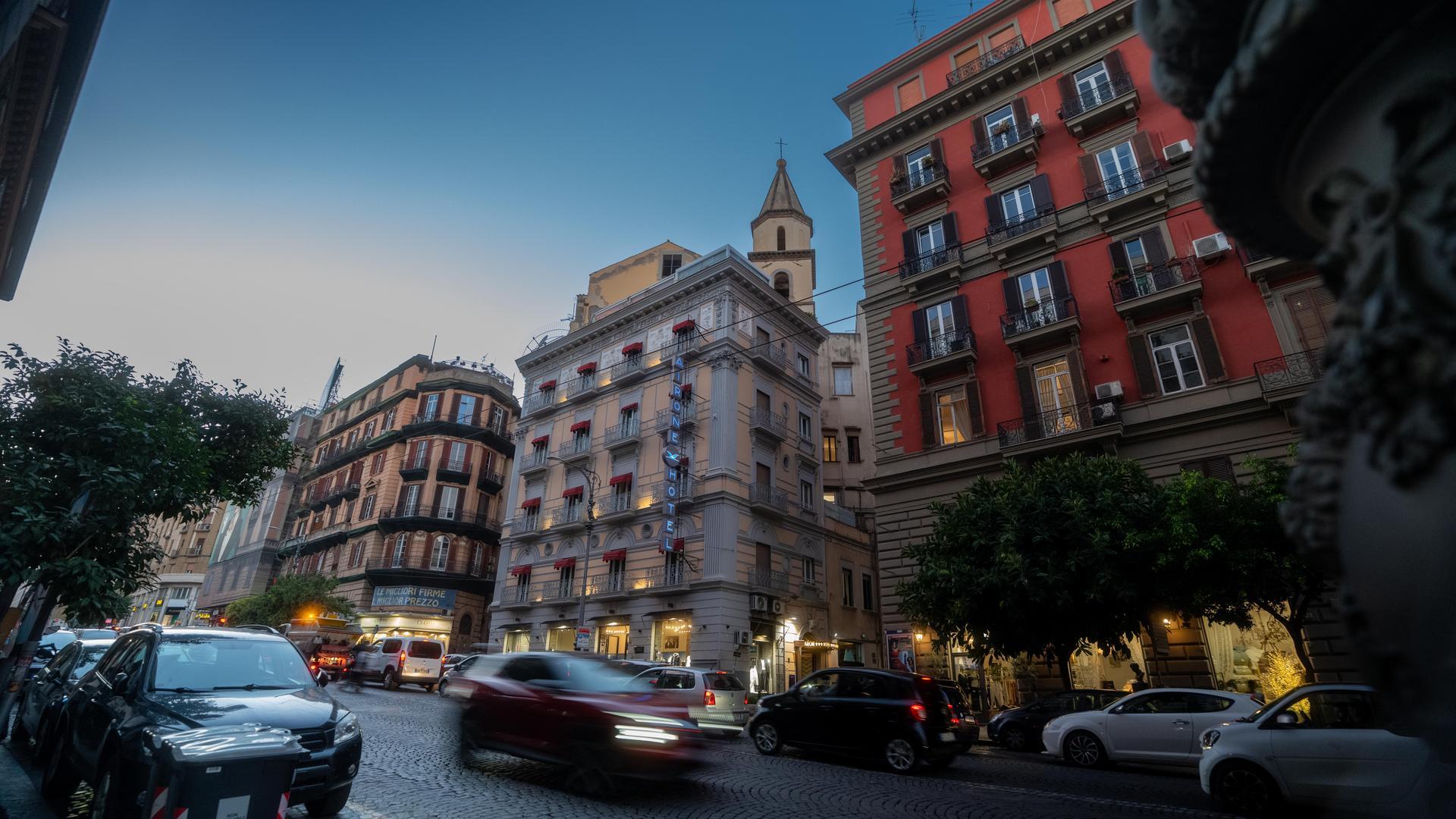
A “zona a traffico limitato” (ZTL) is a part of an Italian town or city where you can’t drive during certain hours or days. Most of the time, old or historical centres are included within these zones.
Not every city has one, but when visiting Italian cities, it’s a good approach to assume each one does ahead of time and check where it might be before arriving. They are always clearly marked with a red circle on a white sign.
Those who live within a ZTL can enter in their cars, as can public transport. If your hotel is located within, you’ll need to tell them your registration number before you arrive so that they can add it to the system. Outside of the restricted hours, anyone can enter as normal.
If you enter when you’re not supposed to, a fine will likely be heading your way. Here is a short list of the main cities in Italy which have a ZTL:
If you’re driving, the Waze app will tell you if your destination is inside a ZTL, if you don’t already know.
- Related: Best cities to visit in Italy
Where can I park in Italy?
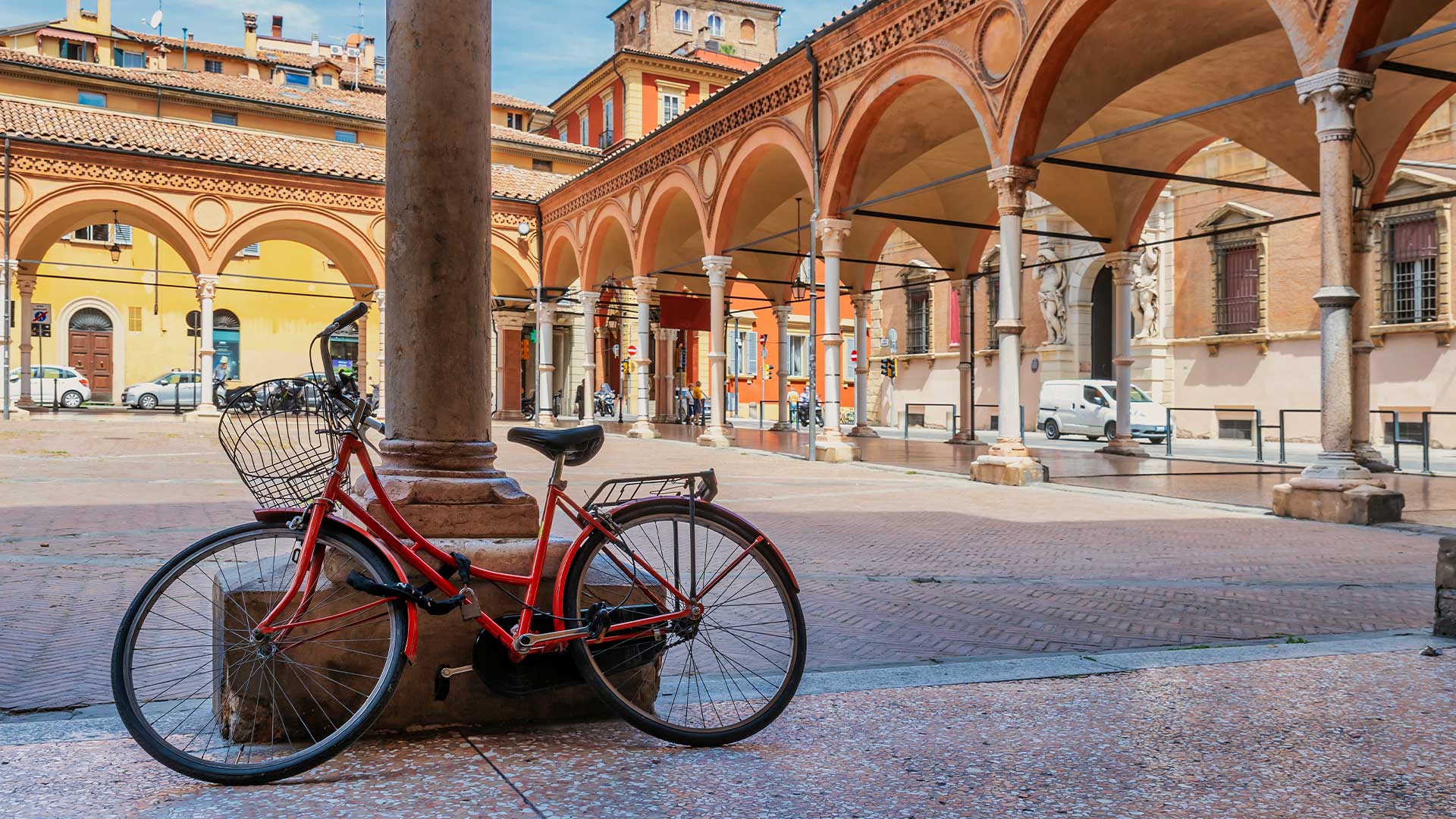
In Italy, parking can be a bit tricky. Its cities, like most in Europe, often have medieval layouts better suited to horses and carts than to cars. You’ll really notice this in historical centres and Old Towns.
Cities, especially coastal ones, are often laid over steep hills and undulating terrain. So many Italians gain the skill of parking in ridiculously tight and steep places. They’ve got no choice.
Cities and towns usually have multistorey carparks, but these are paid parking, and there are often not enough parking spaces to meet the demands of Italy’s busy roads. On top of that, parking on the street is expensive or flat-out illegal (especially in ZTLs).
The golden rules when parking in Italy are to:
- Always park in a designated parking space or parking area.
- Don’t obstruct a road or somebody’s driveway.
- Never leave precious belongings in view in your parked car. If you have to leave anything behind, make sure it’s covered or in the glovebox.
Get on the road in Italy with Nordic Visitor
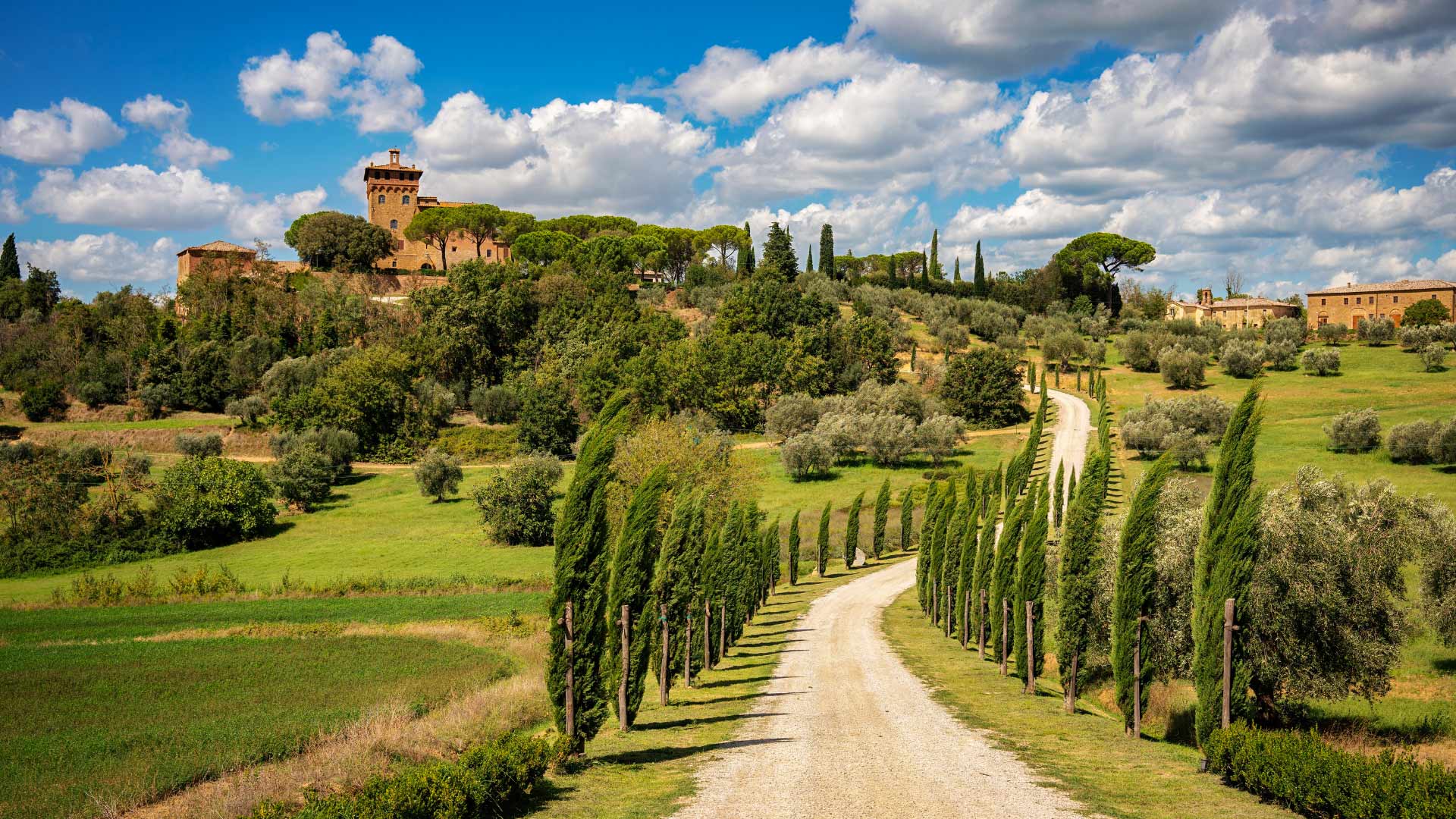
Part of the fun of driving in Italy is letting yourself be swept along with the hustle and bustle. The lemon-scented Amalfi Coast. Cypress-flanked Tuscan roads. The hilltop towns of Umbria. The country is truly made for driving.
Stick to our driving tips for Italy, and you can’t go wrong. But even if you do, our Rome-based experts are always on hand to help you.
A self-drive experience in Italy is one of life’s great trips, and now you’re ready to hit the road. Just remember – drive on the right and don’t lose your ticket for the autostrada!