Flexibility when you need it: Book With Confidence

Menu

How far do you have to drive to reach a genuinely dark sky?

For the largest city in every US state, we found the nearest DarkSky-certified place: a Park, Reserve, or Sanctuary. And we measured the drive. As the cities around us grow larger and light pollution becomes more common, that drive keeps getting longer than most people expect.
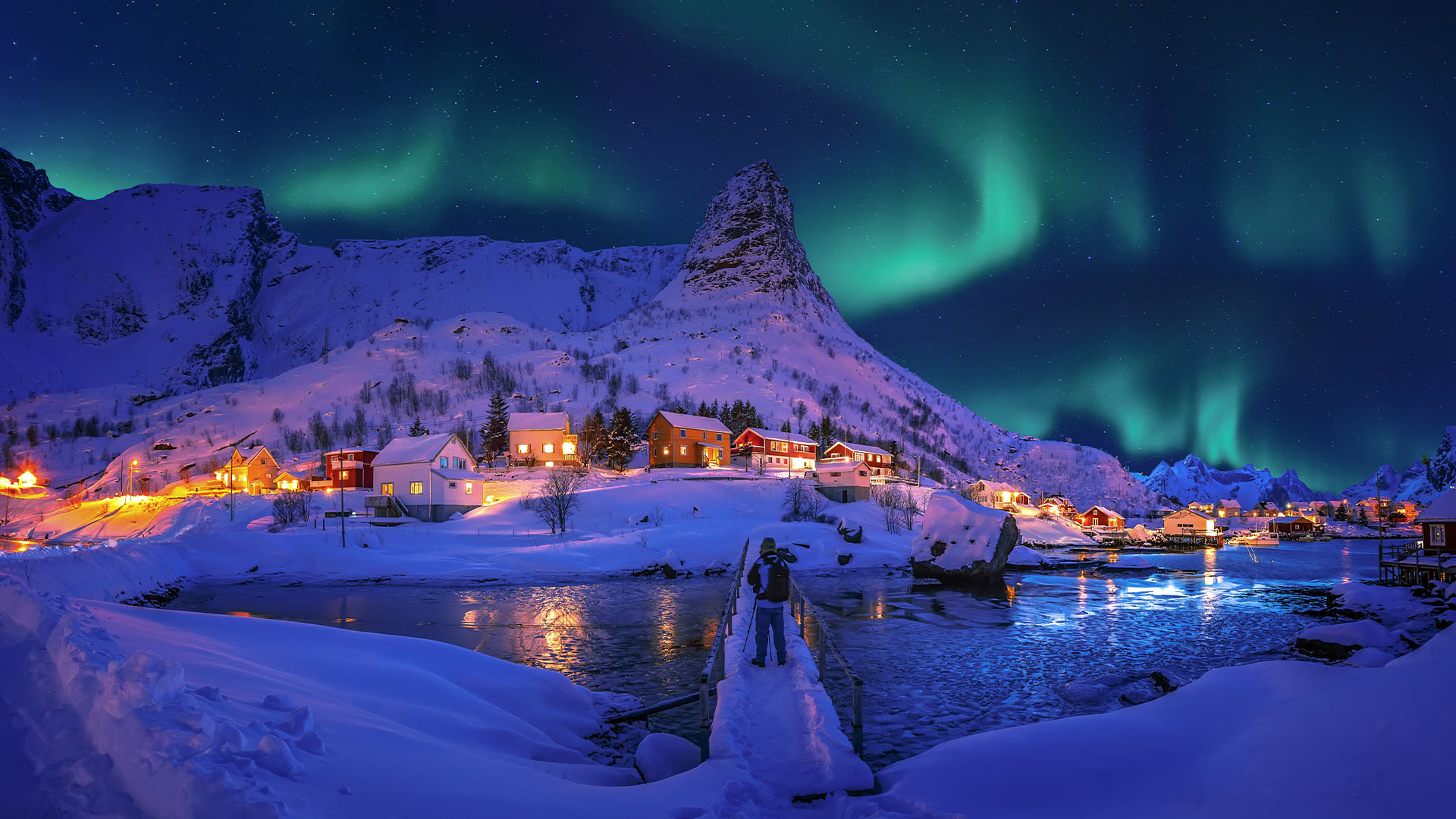
Aurora Borealis above Reinefjord in the Lofoten Islands
The average major US city's drive to find a dark sky
0.0hrs
A simple average across the largest metro area in each of the lower-48 states and DC (49 cities).
Median 3.6 hrs · Distance 220 miles · Range 0.9–8.2 hrs

The US figure covers the lower-48 states and DC; Alaska and Hawaii have no certified dark places in our source list.

Every drive is a real road distance, routed city-centre to the nearest certified dark place.

The Index

Each state, ranked by the drive

Each track runs from city-glow amber to aurora – the longer the amber, the further you drive before you reach a certified dark sky. Sort any column or search by state abbreviation or place name.

# Origin Nearest dark sky Drive Time
Data & Licensing

Sources

Certified places are the spine; VIIRS is the darkness check; the World Atlas adds national-scale context.

DarkSky International — certified places (North America, 126)darksky.org · designations through 2026 
PUBLIC LISTING
VIIRS Day/Night Band annual radiance (VNL V2, 2022)Earth Observation Group · Colorado School of Mines 
PUBLIC DOMAIN
World Atlas of Artificial Night Sky BrightnessFalchi et al., 2016 · Science Advances · national dark-sky context
CC BY-NC

The short drive to a dark sky

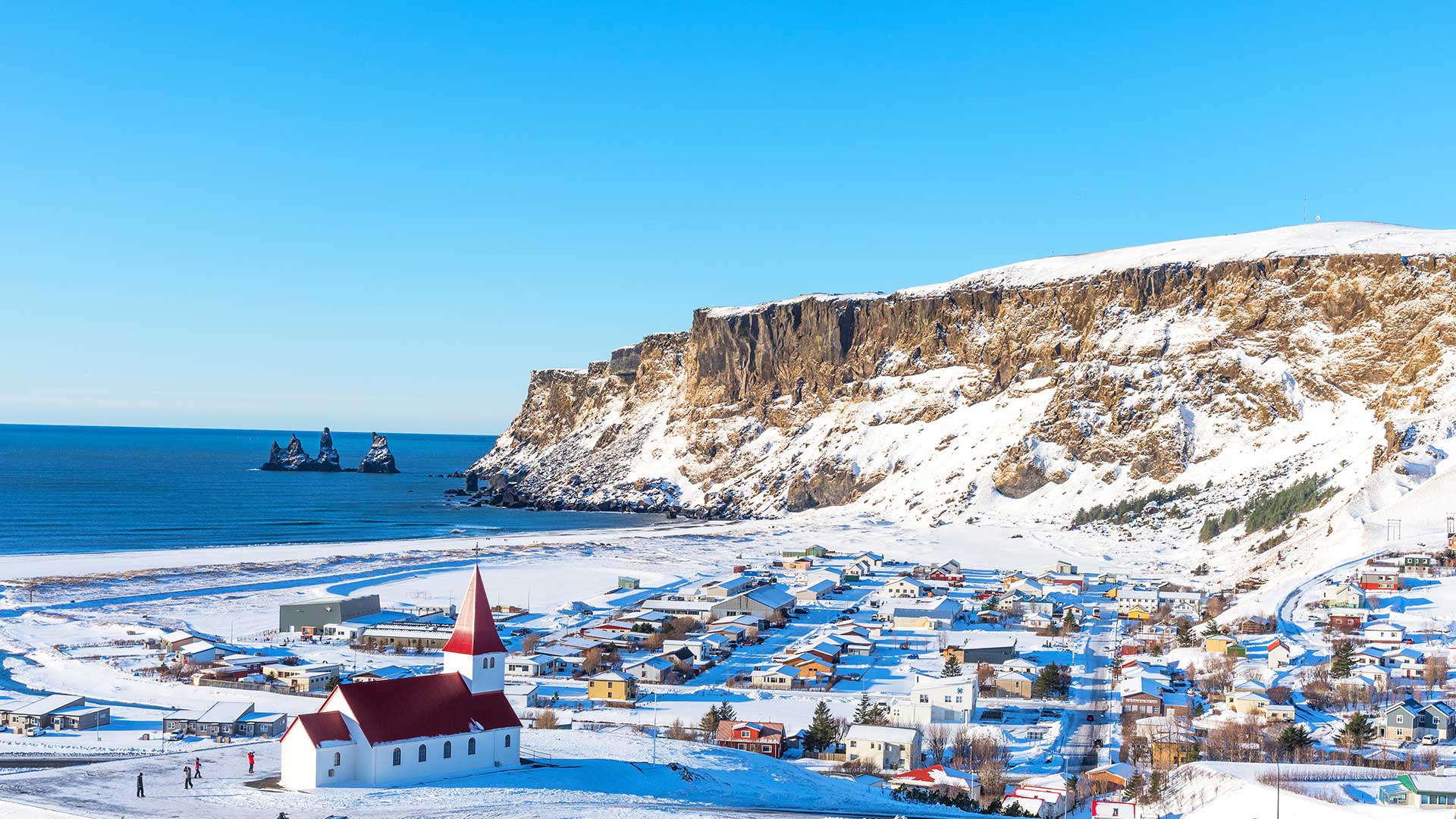
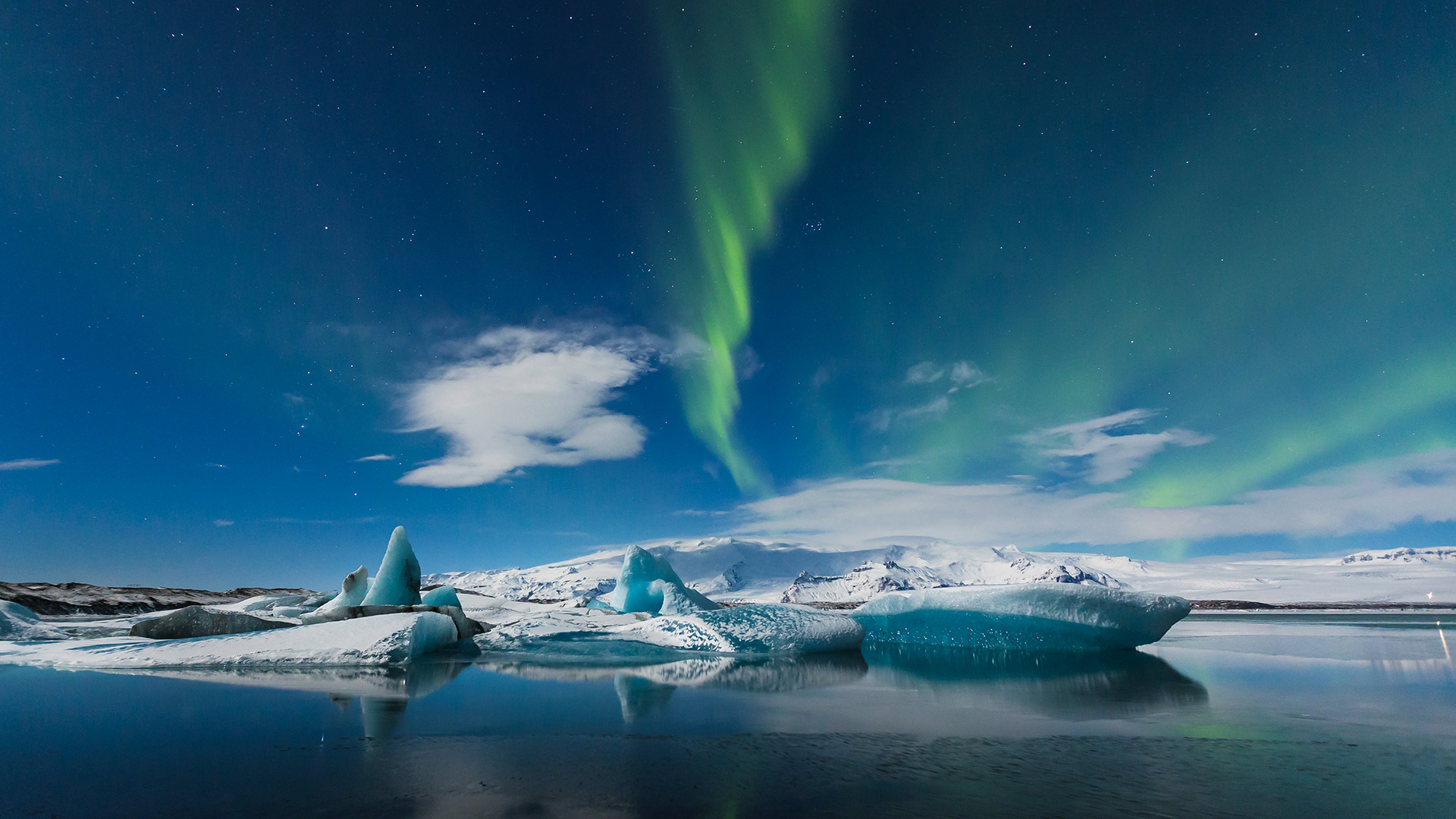
In Northern Europe, the dark sky sits just a short drive from cities like Reykjavík, Bergen, or Kiruna. Here's how to make the trip.
We’re here for you

Get in touch with our local experts. We’re here for you every step of the way – and that starts right here with planning.

here for you