Italy knows how to party. At any time of year, in any part of the country, something is being celebrated. Tiny hilltop villages honouring their local patron saint with processions. National days like Liberation Day or the Festa della Repubblica, uniting the whole country. The Virgin Mary (la Madonna) will probably be in there somewhere too.
Naturally, Italy does classic moments and public holidays, like New Year’s Eve, in its own way. But there are special Italian holidays and traditions that you won’t find anywhere else.
I’ve been travelling to Italy for 10 years now. During that time, I’ve gotten to know the place like the back of my hand. I’m going to tell you what’s what about the different kinds of festivals in Italy so that you know what to expect if you come across them on your travels.
And you’ll hear a word from my colleagues in Rome about some of their favourite Italian holidays. Whether you’ve already got a trip planned and you just want to know where the good times are (spoiler: everywhere), or you’re thinking about planning a trip to Italy around a festival, you’ve come to the right place.
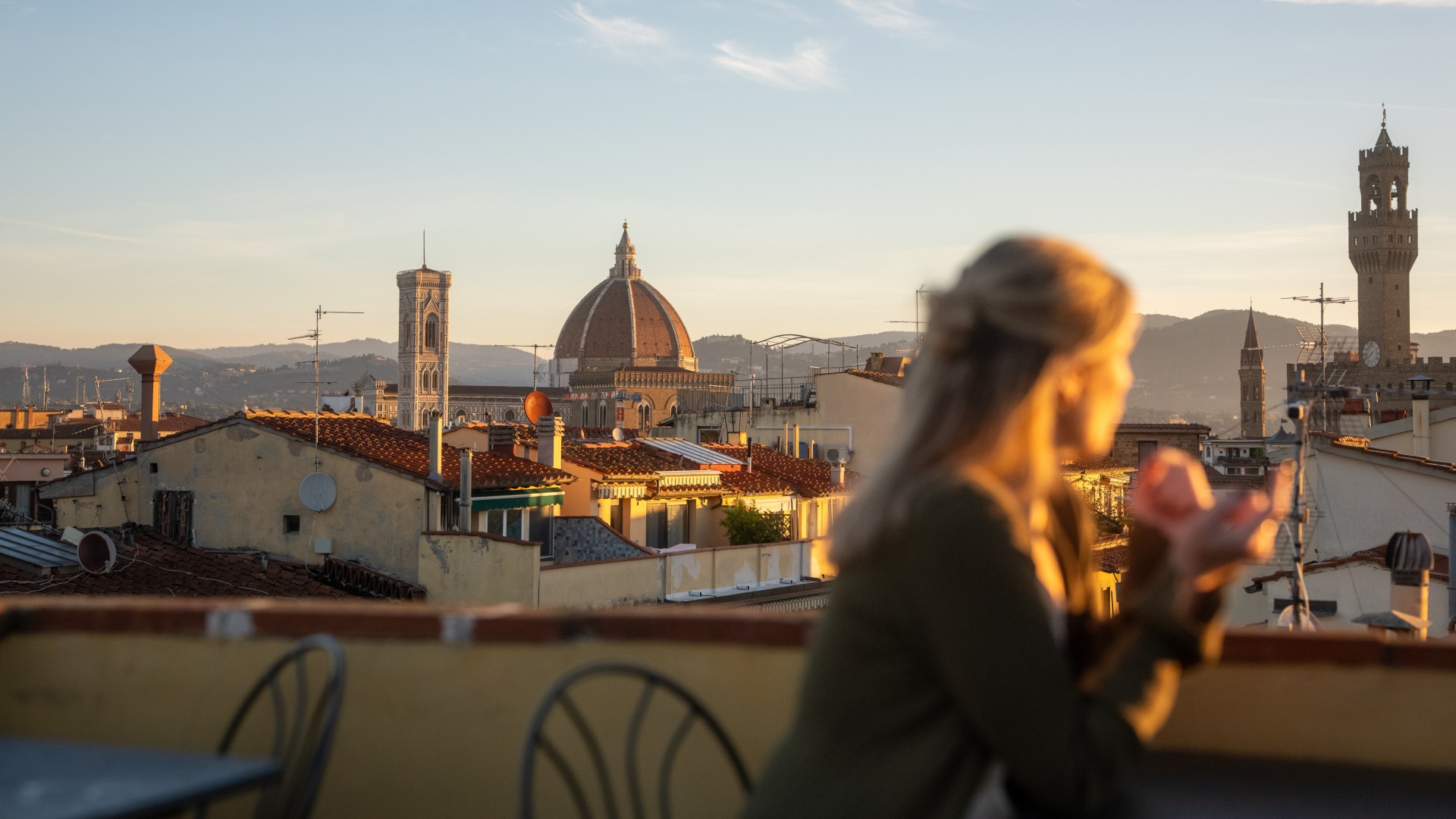
Cultural festivals in Italy
When you visit Italy, you sometimes feel like you come from a land of barbarians – I know I do. Priceless marble statues that would be the highlight of a museum back home point the way towards public toilets. Street musicians sing Puccini or Verdi, not Ed Sheeran or Taylor Swift.
Any time ground is broken for some new construction project, things grind to a halt as ancient Roman grandeur bubbles back to the surface. A theatre. A bathhouse. A villa. Italy’s bursting at the seams. In great halls and the open air, there are all kinds of festivals celebrating that beauty and creativity.
Here are my top picks for cultural festivals in Italy.
1. Verona Arena Opera Festival
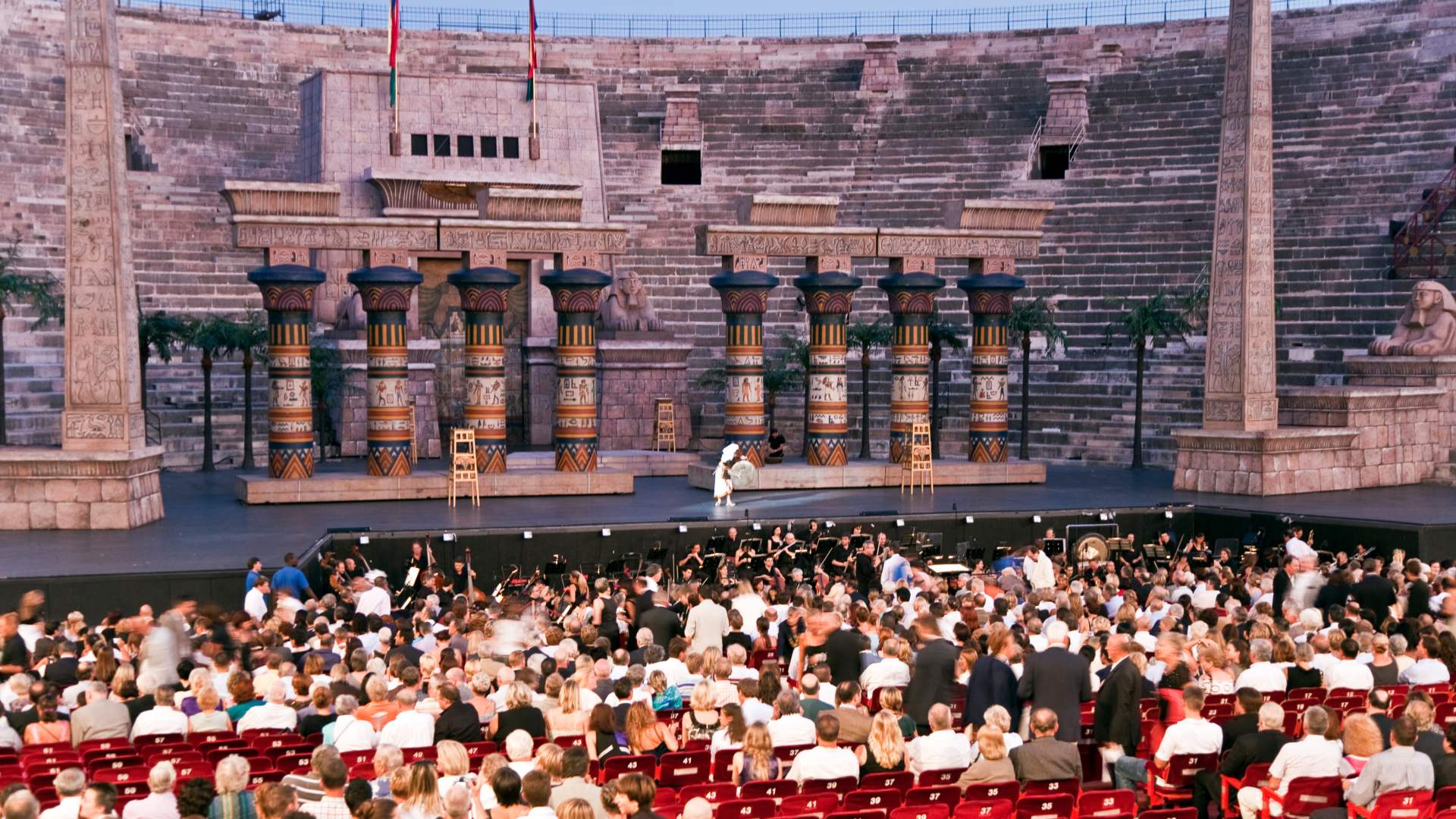
What’s more Italian than an opera performance in an ancient Roman arena? Verona’s arena is one of the best-preserved Roman amphitheatres there is, practically keeping its full shape and scale. Where the clanging of swords once pinged off of this storied stone, now it’s operatic crescendos. But the crowd’s roar is the same.
The festival itself is old enough, having run for over 100 years. It’s truly spectacular. The scale of the arena allows for enormous stage backdrops, and its natural acoustics mean that up to 15,000 people can enjoy a single performance.
Verona’s Arena Opera Festival runs from June to September, and it’s a great excuse to visit Shakespeare’s “fair” Verona whilst in Northern Italy. The program is usually varied and extensive, but you’ll need to sort tickets in advance.
Top tip: if you’re going to sit in the ancient stone bleachers, for the love of Pavarotti, get yourself one of the cushions they have on-site. After 3 hours of Bizet’s Carmen on bare stone, I’m not sure if my posterior has ever truly reawakened…
2. Palio di Siena
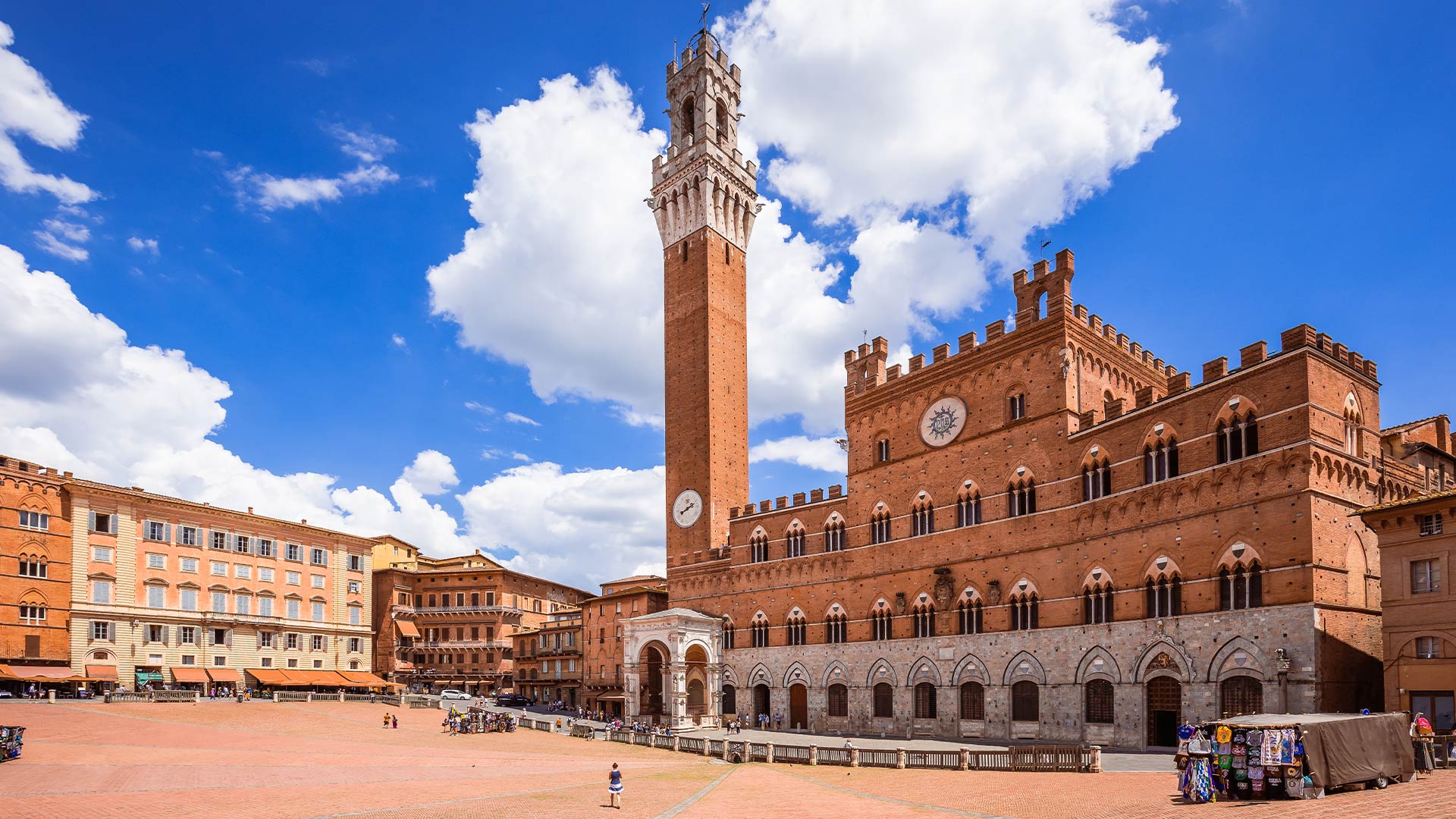
The Palio is one of those things that’s hard to explain if you haven’t seen it in person. Every year, on 2 July and 16 August, a horse race is run around Siena’s Piazza del Campo (in Tuscany). It’s so steeped in pageantry and history it’s tough to overstate.
Picture it: Siena’s shell-shaped square, right next to the grand Palazzo Pubblico with its clock tower. Inside the square, a cordoned-off, bristling mass of flag-waving onlookers, desperate to see the action.
Then comes the sound of thundering hooves, echoing off the townhouses around the square. Each race lasts mere minutes – as long as it takes the fastest of the 17 bare-back riders to complete 3 circuits of the square. But the excitement and colours linger long in your memory.
The riders come from the 17 traditional districts of the city, called “contradas”. Each contrada has its own heraldic emblem and bright, flashing livery. The race dates back to the 1600s, and the look is very much preserved.
The race isn’t the only thing that happens during the Palio though. There are also colourful processions and multiple practice runs in the days before. It all concludes with dinners in the open air of each district. It’s traditional and great fun.
3. Umbria Jazz Festival
My colleague Lorenzo comes from Umbria, and he loves the jazz festival. When I asked him about it, he told me:
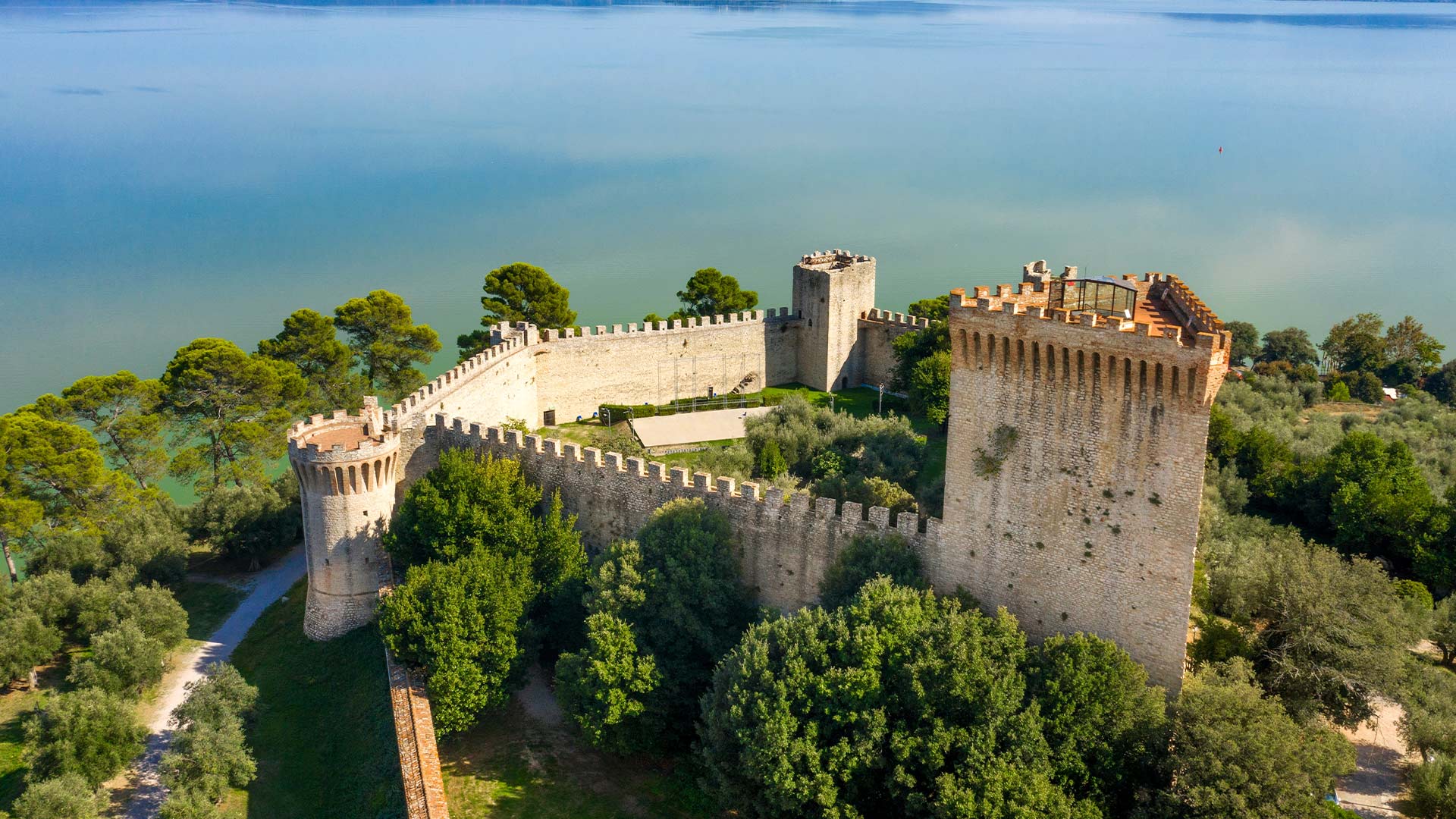
The Umbria Jazz Festival is truly something special. Perugia’s streets come alive with 12 stages hosting free jazz concerts, world-class artists, incredible local food and wine, and an atmosphere that makes the whole city feel like one big celebration.
Jazz may be the most flexible music genre there is. Electric and acoustic instruments. All kinds of keys, rhythms and time signatures. New sounds spun up apparently from nothing. So why shouldn’t we chuck a medieval Italian piazza or two into the mix?
That’s clearly what the organisers of the Umbria Jazz Festival have been thinking since 1973. If you’re in Perugia in July, you’ve got the opportunity to knock yourself out with as much stressed-out sax as you can handle. The medieval clock tower of the Palazzo dei Priori keeps the beat.
The festival runs for 10 days during the summer, but there are extra days and venues in spring and winter too. And there you were thinking Italy was all about opera and the Venice Film Festival.
Food festivals in Italy
Food is part of basically every festival and holiday in Italy, whether we’re talking Easter Monday, stalls at Christmas markets, or the Venice Carnival. But, this being a land of incredible eats, food is often the star of the show in its own right.
Italy celebrates big over its regional produce. Think Genova’s Basil Festival in Prà’s perfumed seaside greenhouses. Or the parmigiano dairies of Emilia-Romagna throwing open their doors to the public, sending out their sweet, nutty aroma on the air.
Here are some of my foodie favourites.
4. Napoli Pizza Village
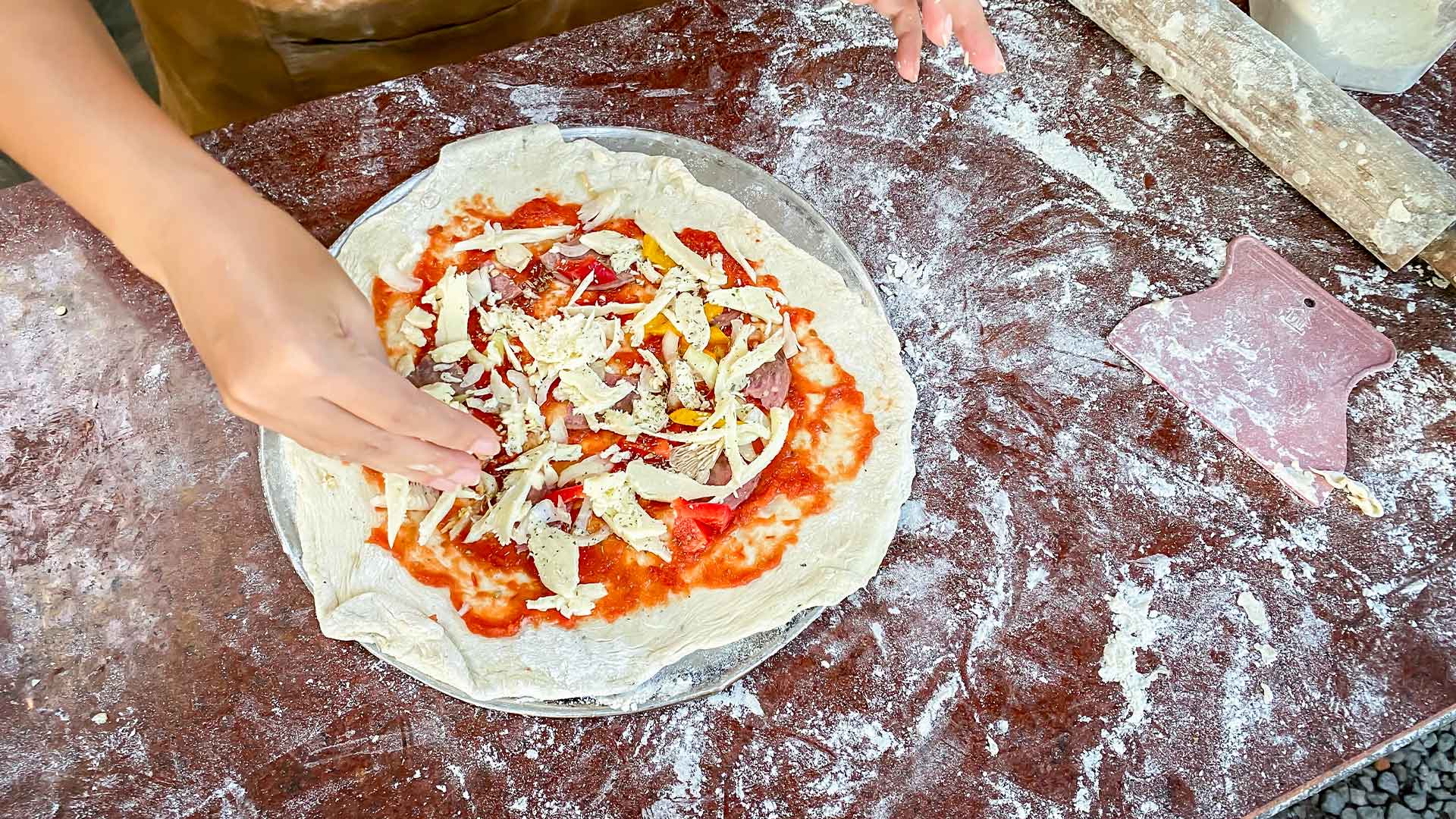
Naples is the home of pizza, where they say it was invented. Around here, crusts are thick and doughy, and the toppings are plentiful. In honour of the mighty pizza, Napoli Pizza Village is held multiple times a year. The main one is in July.
Napoli’s best pizzerias descend on the Caracciolo waterfront. Smoke billows from dozens of wood-fired ovens, mingling with the scents of baking mozzarella and sea air. Aside from eating as much pizza as you can, there’s also live music and pizza-making workshops.
Entry is usually free – just pay for what you eat and drink. Why not swing by when making your tour of the Amalfi Coast?
5. Festival del Tortellino, Bologna
I don’t know about you, but I think a big plate of tortellini, one of Italy’s famous stuffed pastas, would be my last meal. A little butter and sage with some grated parmesan cheese is my personal favourite.
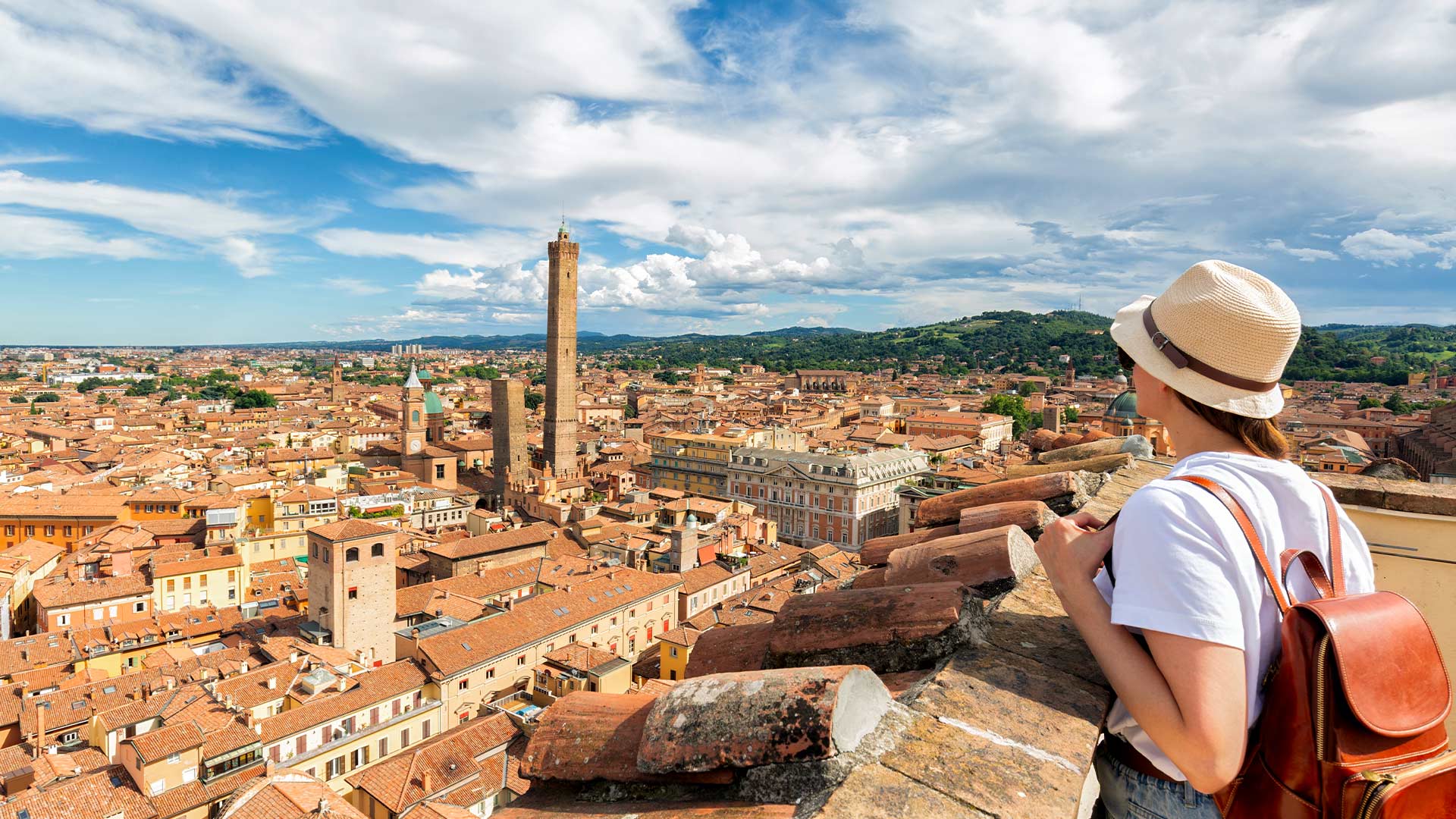
Tortellini are a Bologna speciality (although Modena might have a thing or two to say about that). These little bundles of tradition and flavour, maybe more than anything else, are a symbol of Italy’s culinary capital. At the Festival del Tortellino, you can come and taste what all the fuss is about.
It’s held in early October at the Palazzo Re Enzo to coincide with the giorno di san petronio, patron saint of Bologna. Chefs can stuff the tortellini with whatever they want, and use any sauce, but the shape must be traditional and formed with handmade dough.
Again, enter the courtyard for free and then pay for what you eat. You’ll be as stuffed as the pasta itself by the end. You can easily pull into Bologna if you’re travelling between Florence and Venice.
- Related: Best cities to visit in Italy
6. “O bej! O bej!”, Milan
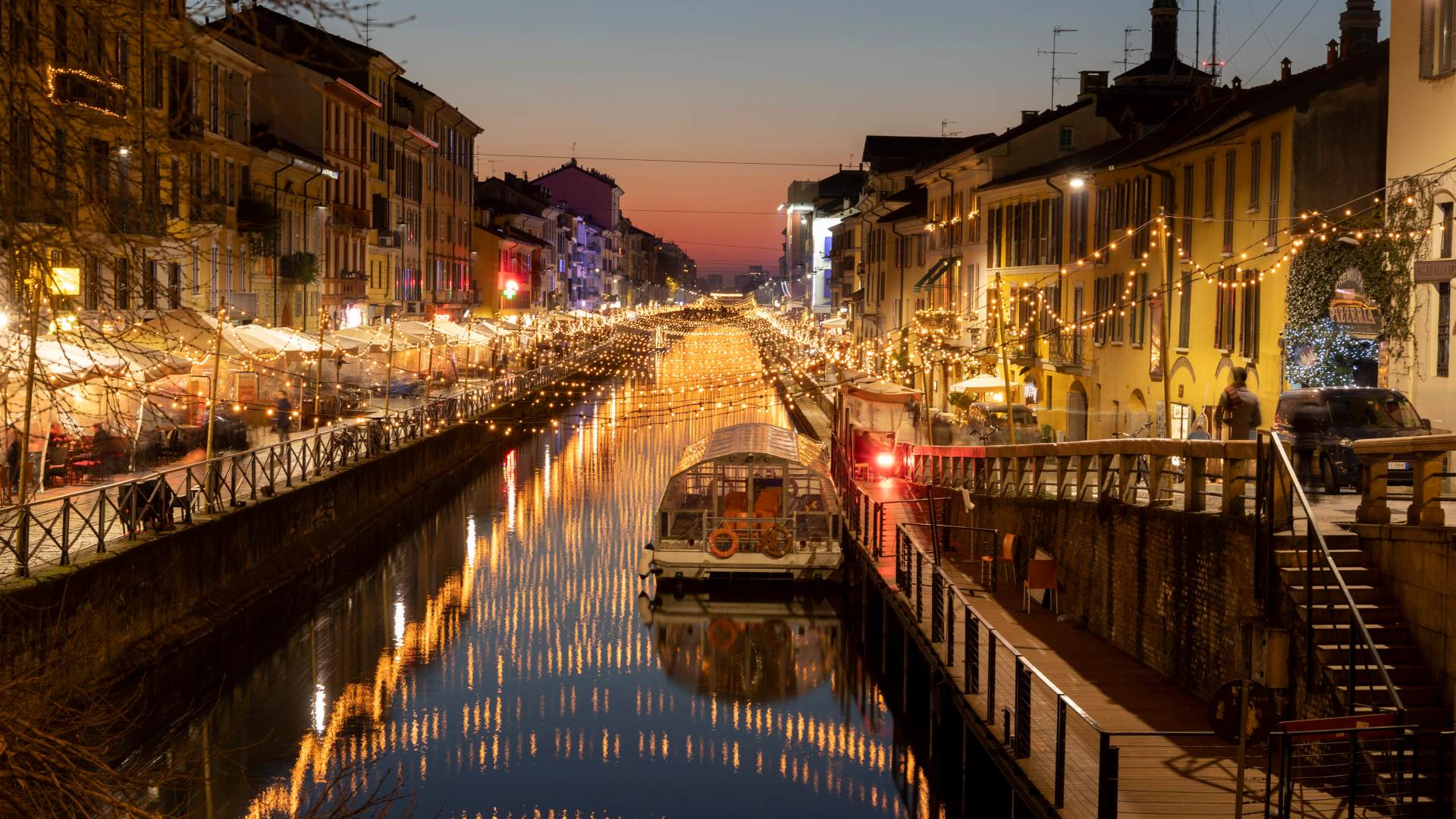
Now for something with more sparkle: one of our favourite Christmas markets in Italy. “O bej! O bej!” is Milanese dialect for “Oh beautiful! Oh beautiful!”, which children apparently said after receiving gifts from the Pope’s envoy in the early 1500s. The market has run ever since.
Held in honour of Milan’s patron saint, San Ambrogio, the market is as traditional as it gets. Aside from typical handcrafted Christmas decorations and other artisanal goods, you’ll get some great festive food.
To many Italians, panettone is the taste of Christmas. If you don’t know what it is, well… you haven’t lived. Its name roughly translates to “big bread”, but that leaves us none the wiser. It’s sort of like a fruit loaf made with fragrant dough.
There’s a darker, blushing crust on the outside, usually studded with candied fruit and other toppings. Inside, the soft pillow of the “bread” (a bit like brioche) pulls apart. Sometimes a filling, like a lemon or chocolate cream, runs through it – buonissimo.
Milan gave this gift to the world, and you can enjoy it here the way it’s meant to be: in festive good cheer. Oh, and the market is hosted in the courtyard of the iconic Castello Sforzesco, right in the heart of the city.
7. The Sagra
Just one final word on food from me. Italy’s star dishes and ingredients are well-known on the world stage, but the country also does hyper-local, volunteer-based food fairs called “sagras”.
There, you’ll sit on benches at long tables with others, friends and strangers alike, and get to pick from a few dishes revolving around one main ingredient.
Everyone in town does something useful, from music and lighting to cooking and serving, all the way to the humble pouring of beer. That’s the only job a Scotsman like me is trusted with at my wife’s local sagra. I do it as only a Scotsman can: one for them, one for me.
My advice to you is this: if you’re on a self-drive tour of Italy, especially during summer, take the scenic route to wherever you’re going. Posters will point you towards sagras in even the tiniest little villages. Follow one at random and see where you end up.
Local teenagers flirting with each other as they take orders and bring out plates. Nonnas slaving expertly away over big steaming pots. With the sun setting and the pasta cooking, you’ll know you’re somewhere good. Trust me.
- Related: Tips for driving in Italy
Italian festivals of patriotism and religion
Italy is deeply patriotic and culturally religious. There are plenty of festivals in Italy that centre around these themes.
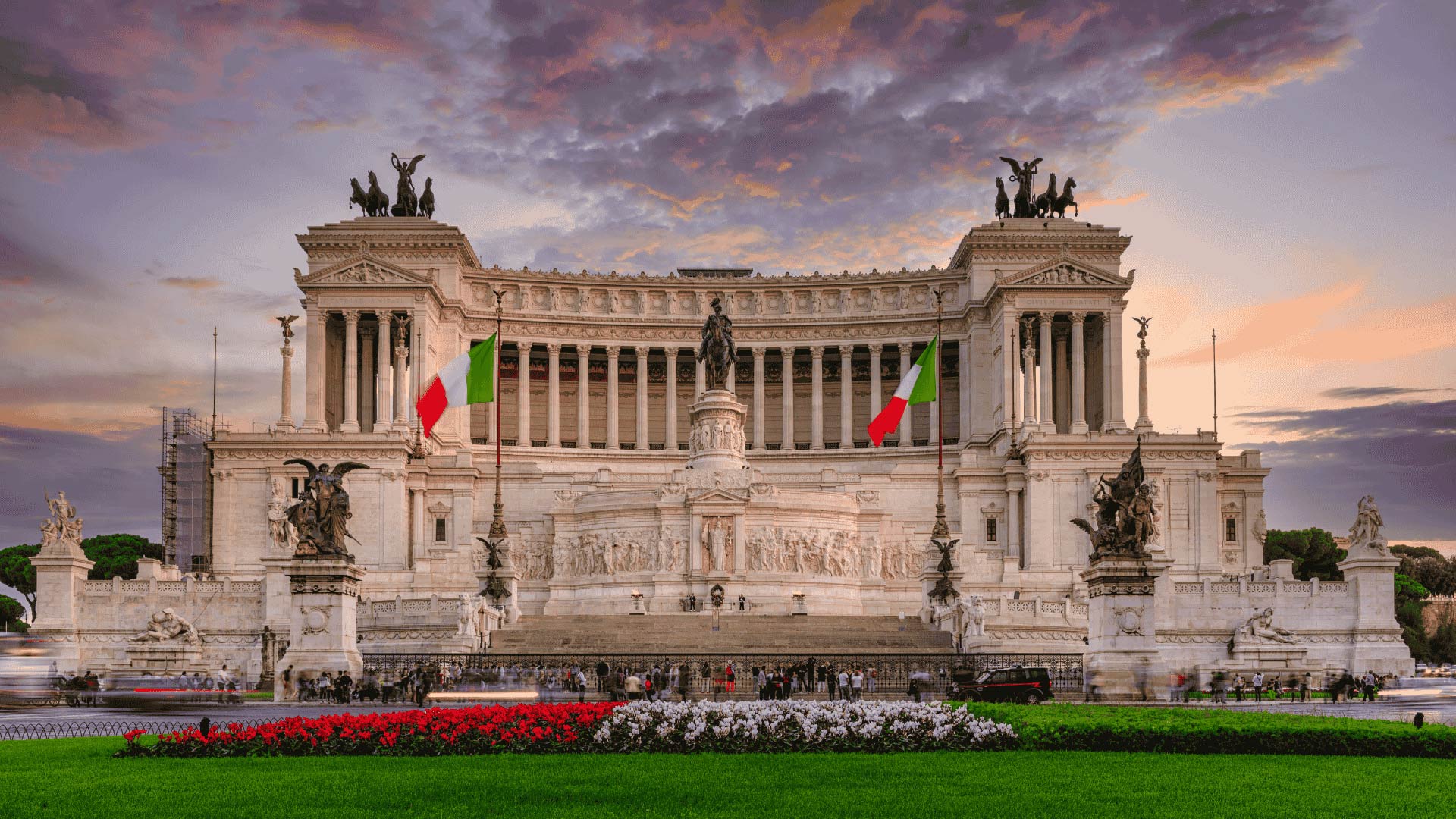
Processions parading local saints wend their way along riverbanks and through piazzas at all times of year. Fighter jets trail the tricolore in streams behind them as they fly over Piazza Venezia in Rome on the Festa della Repubblica. This is a land of pomp and ceremony. But you already knew that.
These are the important religious and national days I think you should know about.
8. Festa della Repubblica
In 1922, King Vittorio Emanuele III handed power to Mussolini, kickstarting Italy’s fascist years. In the long run, this ended badly for Italy, and for Mussolini. At the end of World War II, partisans killed him and hung him by his ankles from a Milan petrol station.
Many Italian people hated how the monarchy had paved the way to fascism. And, to them, the royal family’s flight from Rome during the war was cowardly. In 1946, they’d had enough and voted Italy into the form of a republic. It’s been that way ever since.
The Festa della Repubblica marks Italy’s rejection of fascism and celebrates being able to elect your own head of state. It’s a public holiday throughout Italy, so banks and public offices are shut. Retailers have their own policies, so they could be open, but you should expect closures and reduced hours.
Aside from the solemn laying of wreaths at the tomb of the unknown soldier in Rome, there’s plenty happening. Think patriotic fanfare like military parades, aerial flyovers, and fireworks displays. Many museums open for free, and private places, like the President’s Quirinale Gardens, open up to the public.
It happens on 2 June. The focus is on Rome, but the day is respected across the country. Be there or be square!
9. Liberation Day
Another big day is Liberation Day on 25 April. Historically, this was the day in 1945 when a general insurrection was declared against the Italian fascist regime and the Nazis who were occupying the country. The success of the movement about a week later led to Italy becoming a republic.
You’ll find that schools, banks and public buildings are closed. Once again, wreaths are laid at the Altar of the Fatherland’s tomb of the unknown soldier. Marching bands parade through town centres up and down the land.
One thing’s certain: if you’re ever in Italy on Liberation Day without realising, the sound of “Bella Ciao” will give you a big clue. You’ve probably heard the accordion-playing busker in your hometown murdering it, but this 1800s folk song was actually popularised by Italy’s anti-fascist movement during the resistance. You’ll hear it everywhere.
10. Holy Week
Holy Week (la settimana santa) is the spiritual and solemn week-long approach to Easter Sunday. If you’re not familiar with the rituals and rhythms of Catholicism, it’s a very big deal. In fact, in Italy, I would say that it feels as important – if not more – as Christmas.
What to expect? Special masses. Choral singing. Feasting. Processions. Mountains of Italian Easter eggs. It’s everything from a typical saint day but more intense.
Local rituals abound: a mechanical dove rocket blows up a cart of fireworks at Florence’s duomo. Trees in Sorrento sprout salami, cheese and ribbons. The Twelve Apostles in biblical garb march through tiny Procida.
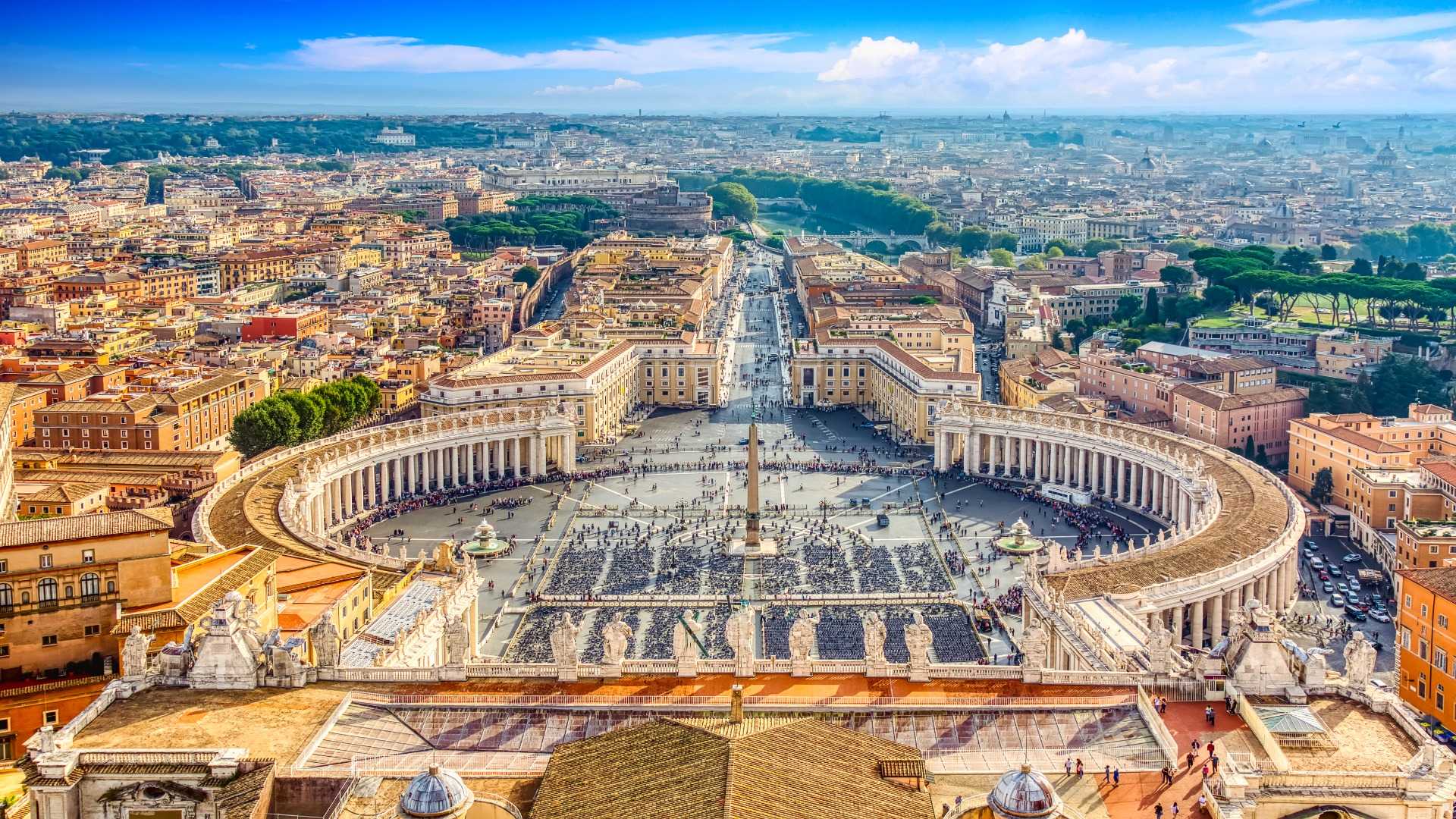
And then, crowning it all, the pope leads an enormous public mass from the balcony at St. Peter’s Square in the Vatican on Easter Sunday. With the mass over, the Catholic faithful go in peace and descend into feasting with their families.
Wherever you are in Italy, the Holy Week is a wonderful thing to witness. The Easter weekend, including the Monday after (known as Pasquetta), will see closures of public buildings and some businesses. Bear it in mind, but you’ll be eating something nice somewhere anyway, so it won’t matter.
11. Festa de’ Noantri, Rome
I find it fascinating – it’s such a “Roman” festival, rooted in centuries-old traditions. The river procession with the Madonna sailing down the Tiber is such a beautiful, almost cinematic moment. It feels worlds away from the more touristy parts of Rome.
That’s what my colleague Barbara had to say when I asked her about her favourite festivals in Italy. She’s talking about the Festa de’ Noantri. It goes back to 1533 when some lucky fishermen apparently found a wooden statue of the Madonna in the Tiber river during a bad storm.
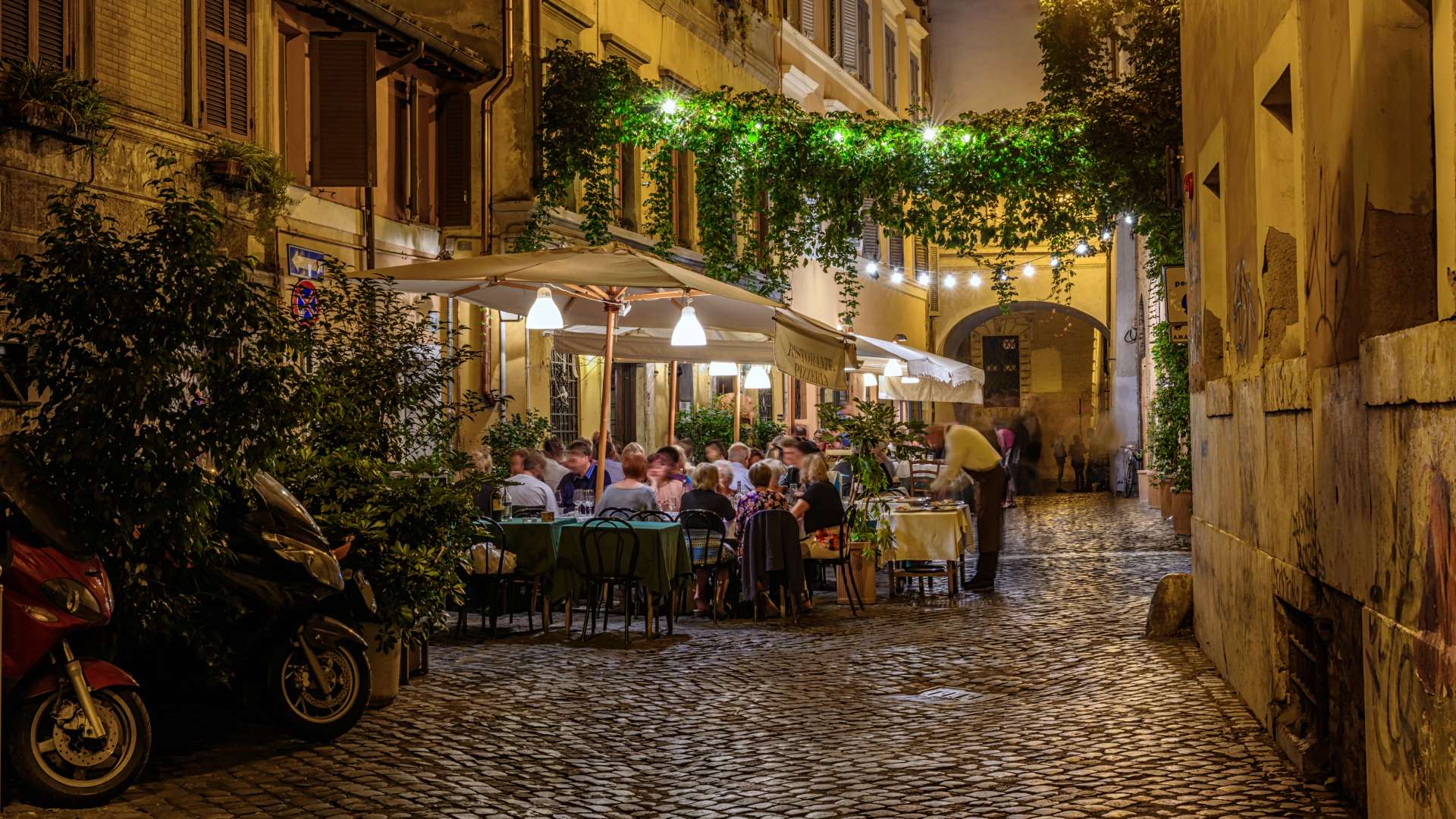
The water procession Barbara mentions is the spectacular homage to that moment. But there’s more to the day than a glittering statue of the Virgin Mary. Trastevere’s (literally “across the Tiber” in Italian) alleys and squares become a festival of noantri – of “us others” – all about the uniqueness of this special part of the city.
Street theatre, poetry readings and live music vie for your attention. Food-and-drink stalls waft their aromas into the air and set your mouth watering. Locals explain the special history of Trastevere, and they have a great time doing it. You’re sure to enjoy it too.
Join the festivities with Nordic Visitor
And there we have it – my round-up of some of the best festivals and public holidays Italy has to offer. Whether you want to boogie to the beat in Umbria or get a sense of Italy’s profound spirituality, there are plenty of options.
Why not stop by a few of them and make the most of your trip to Italy? If you’d like to experience any of these events while travelling with us, our Rome-based experts have always got a recommendation up their sleeve.